Article Highlights:

  • 59% of global travelers use translation apps, led by women (61%) and non-US respondents (62%).
  • The most common use: communicating with locals for food, signs and directions (59%).
  • Non-US travelers use translation tools more for independence and confidence than US travelers.
  • 54% of respondents have used real-time spoken translation apps, with 28% planning to try them soon.
  • Emerging smart glasses could make translation instant, immersive and hands-free.


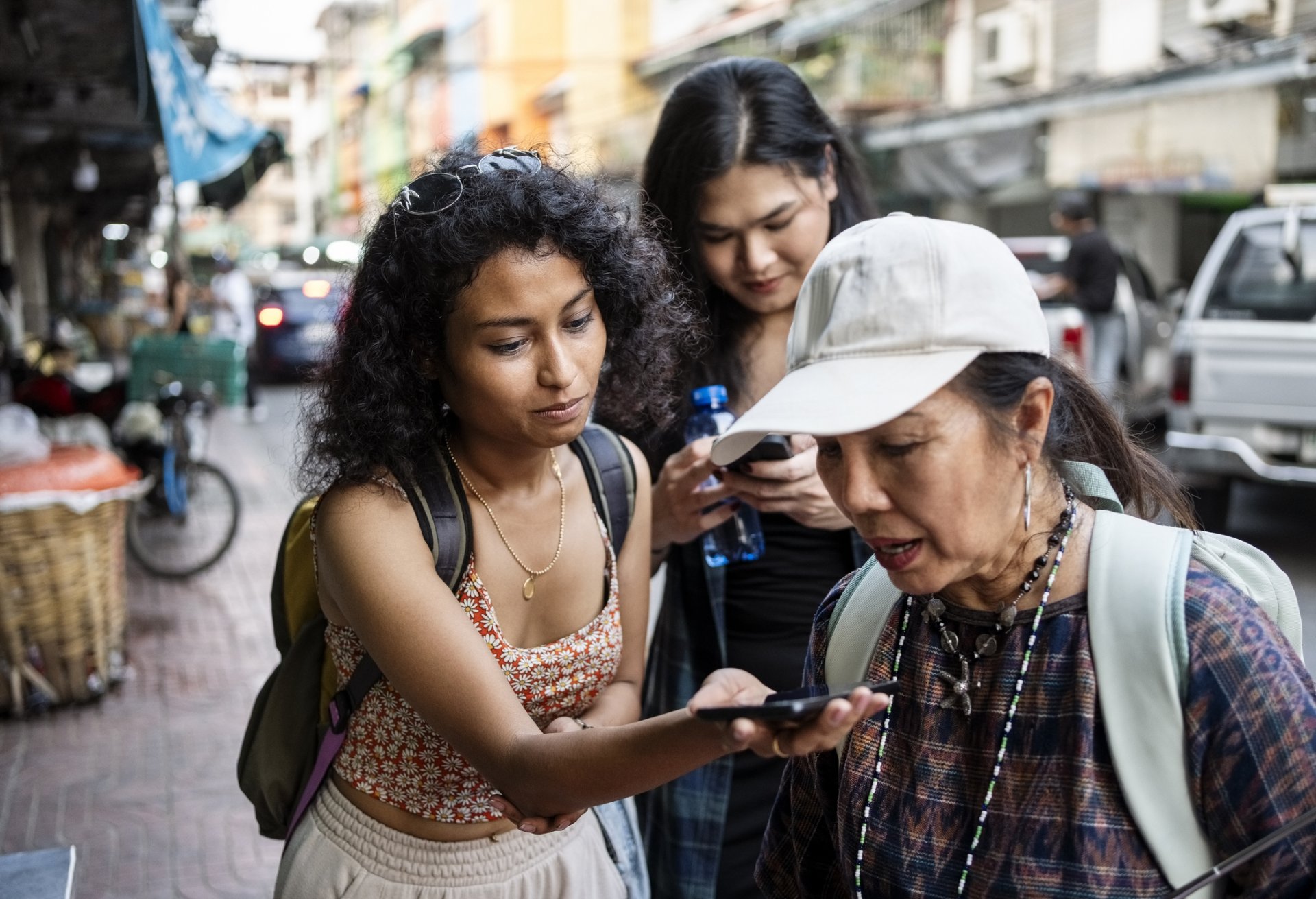
The modern traveler doesn’t just pack a passport, increasingly, they rely on translation apps to navigate new languages, connect with locals and avoid confusion in unfamiliar destinations. According to the Global Rescue Fall 2025 Traveler Sentiment and Safety Survey, 59% of respondents reported using translation apps during trips, revealing how essential this technology has become to travel freedom and confidence.

Women (61%) and non-US travelers (62%) were the most likely to use translation tools, while men (60%) and US travelers (59%) followed close behind. Only 38% of all respondents said they do not use any translation technology while abroad.

The reasons travelers reach for translation apps are practical and human. Nearly six in ten respondents (59%) said their main motivation was simply communicating with locals—whether ordering food, reading a sign or asking for directions. Women were slightly more likely (60%) than men (57%) to use the apps for this purpose, underscoring how translation tools can reduce anxiety in everyday travel scenarios.

For non-US travelers, the appeal runs deeper. Fifteen percent said translation apps help them gain independence and confidence abroad, compared to just nine percent of US respondents.

“Translation apps have become a quiet but vital part of the modern traveler’s toolkit,” said Dan Richards, CEO of The Global Rescue Companies and a member of the US Travel and Tourism Advisory Board at the US Department of Commerce. “They help break down barriers, allowing travelers to connect, navigate and explore more confidently, even when language is a challenge.”


Real-Time Translation Apps

Once a novelty, real-time translation apps are becoming mainstream. More than half of all survey respondents (54%) said they have used voice-translation technology that instantly converts spoken conversations into another language. Women were slightly more likely than men (55% vs. 53%) to try it, while US travelers led non-US travelers in adoption (55% vs. 51%).

Another 28% of respondents said they haven’t used real-time translation yet but plan to, suggesting that demand for faster, more natural communication tools continues to grow.

These tools aren’t perfect. Misinterpretations can occur, especially when slang, idioms or regional dialects enter the conversation. But most travelers see them as an asset, not a barrier. They allow for spontaneous interaction and cultural immersion that would otherwise be out of reach.

“Technology is closing the gap between languages,” Richards said. “It helps travelers feel safer, more independent and more engaged in their surroundings.”


Smart Glasses: The Future of Effortless Translation

As translation apps evolve, they’re poised to leap from smartphones into smart glasses. Major tech firms are already developing AR-powered eyewear capable of displaying real-time subtitles directly in a traveler’s field of vision. Imagine walking through a Tokyo street market and seeing every sign, label or menu automatically translated before your eyes.

These devices combine artificial intelligence, optical character recognition and augmented reality to provide seamless understanding of the world around you without looking down at your phone. Early prototypes from companies like Meta, Apple and Google hint at what’s next: translation that feels like a natural extension of human vision.

For travelers, smart glasses could mean more authentic experiences—no fumbling with devices, no breaking eye contact. Conversations with locals, tour guides or hosts could feel more genuine, aided by unobtrusive technology that lets language fade into the background.

While still in early adoption, experts predict smart glasses could transform travel within the next five years. The potential is especially strong in multilingual environments like Europe or Southeast Asia, where navigating multiple languages in one trip can be a challenge.


Cultural Connection in the Digital Age

While technology can’t replace genuine curiosity or respect for local culture, translation apps and smart glasses empower travelers to engage more deeply. They encourage connection in places where language might otherwise be a barrier.

Still, etiquette matters. Over-reliance on digital tools can sometimes feel impersonal or awkward. Experts recommend learning a few basic local phrases, showing effort and respect. A “hello,” “thank you” or “please” spoken in the local tongue still carries tremendous weight.

Technology works best when it complements—not replaces—human interaction. Used thoughtfully, translation apps can enhance understanding, not flatten it.

This balance between convenience and cultural respect is shaping the next era of travel, one where communication technology blends seamlessly into every step of the journey, yet travelers remain conscious of the human connections that make travel meaningful.


Security Through Understanding

There’s another dimension to translation apps and smart glasses: safety. In an emergency, clear communication is critical. Being able to explain symptoms to medical staff, understand safety instructions or navigate official checkpoints can make all the difference.

As Global Rescue’s survey data suggest, travelers increasingly view technology not only as a convenience but as a safety measure. Whether ordering a meal or responding to a crisis, the ability to communicate clearly across languages reduces risk and stress.

Real-time translation and wearable devices can bridge the gap in urgent moments, helping travelers make quick, informed decisions when it matters most.


About the Survey

The Global Rescue Traveler Sentiment and Safety Survey is conducted quarterly among more than 1,600 current and former Global Rescue members, including seasoned business travelers, adventurers and expatriates. The October 2025 edition explored traveler attitudes toward safety, technology and global mobility in a rapidly changing world.

The findings confirm a powerful trend: travel technology—especially translation tools—is reshaping how people experience and manage their journeys.


The Global Rescue Connection

Even with the smartest technology in your pocket or on your face, travel can be unpredictable. When a medical emergency, natural disaster or political crisis strikes, translation tools can’t get you home. Global Rescue can.

With a Global Rescue membership, travelers have access to field rescue, medical evacuation, security extraction and 24/7 medical and travel advisory services anywhere in the world. Whether you’re trekking in the Andes or navigating a medical crisis in a foreign hospital, Global Rescue experts are ready to step in. No translation required.

As technology makes the world smaller, the need for trusted, global protection only grows larger. Translation apps can help you connect; Global Rescue ensures you make it home safely.