Article Highlights:

  • Explore Taman Negara National Park’s ancient rainforest, home to rare Sumatran tigers, rhinos and clouded leopards.
  • Cruise the Kinabatangan River to spot orangutans, proboscis monkeys and vibrant birdlife.
  • Discover Danum Valley Conservation Area’s pristine jungle with pygmy elephants and diverse primates.
  • Visit Komodo National Park to witness the world’s largest lizard in its natural habitat.
  • Experience Con Dao Islands’ sea turtle nesting and Tonle Sap Lake’s rich birdlife.


Southeast Asia is a region where the wild still thrives. Ancient rainforests shelter endangered predators, rivers wind past mangrove-fringed banks alive with primates and remote islands provide nesting grounds for sea turtles. Whether you’re drawn by the chance to glimpse a rare Sumatran tiger, watch orangutans in the treetops or meet the fearsome Komodo dragon, the region’s diversity of habitats offers something for every wildlife enthusiast.


Malaysia: Rainforest Giants and River Life

Taman Negara National Park: As one of the world’s oldest rainforests, Taman Negara National Park is a biodiversity treasure trove. While elusive Sumatran tigers, rhinos and clouded leopards remain rare sightings, elephants, tapirs and multiple monkey species are more readily encountered. Birdwatchers can spot hornbills and kingfishers, while night safaris may reveal slow lorises and civets.

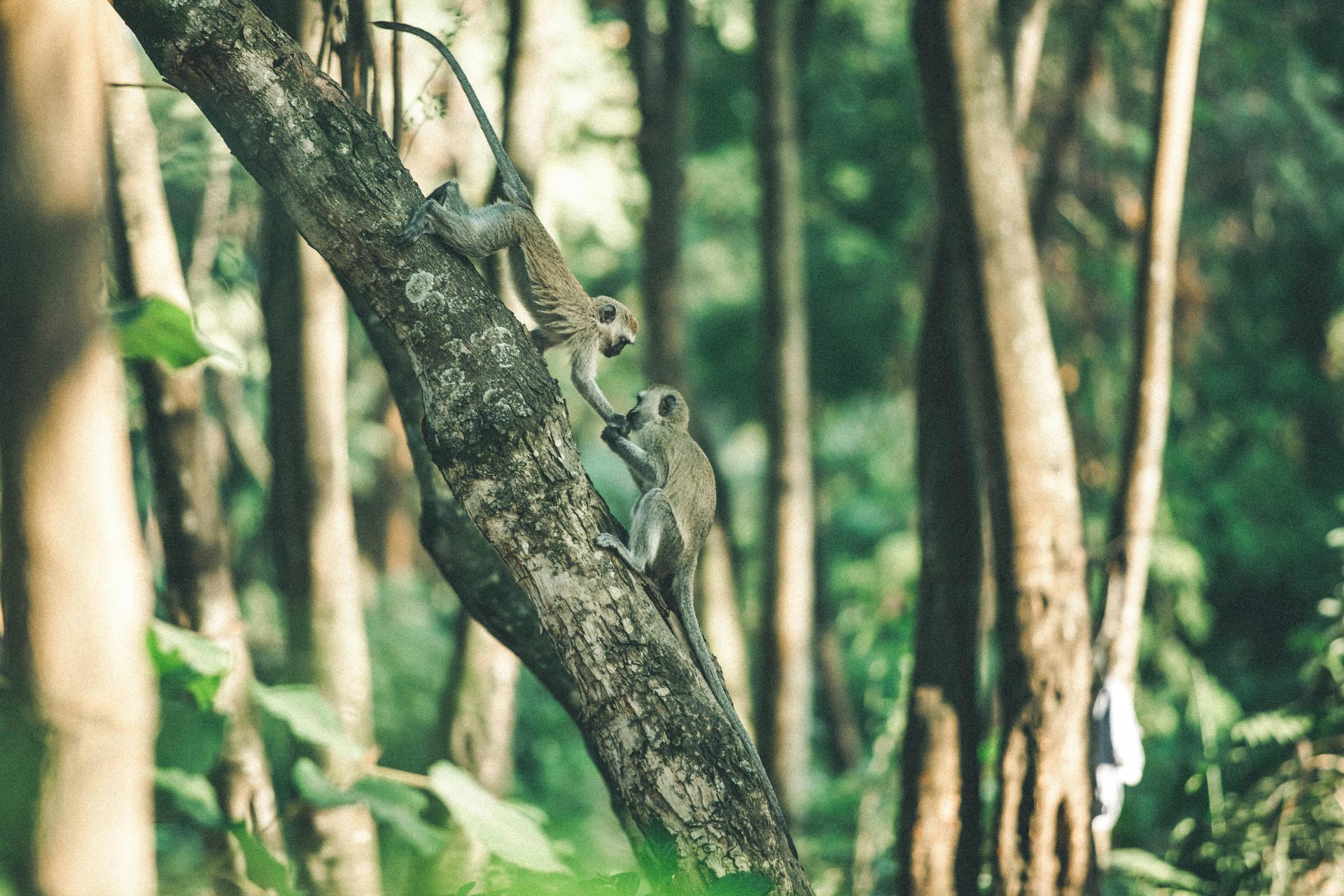
Kinabatangan River: Flowing through Sabah in Malaysian Borneo, the Kinabatangan River offers boat-based safaris where wildlife is often just a few meters away. Orangutans swing through riverside forests, proboscis monkeys lounge in mangrove branches and a kaleidoscope of birdlife, like hornbills and kingfishers, flashes above the water. Dawn and dusk cruises are particularly rich in sightings.

Bako National Park: Sarawak’s oldest national park is small in size but immense in diversity. Here you can see proboscis monkeys, silver leaf monkeys and bearded pigs, alongside pitcher plants and mangroves. Trails vary from short walks to full-day treks, each promising unique encounters.


Borneo: Untouched Rainforests and Rare Species

Danum Valley Conservation Area: This pristine lowland rainforest is one of the last strongholds for Bornean orangutans and pygmy elephants. Clouded leopards and rare bird species also inhabit its depths. Staying at one of the research lodges offers guided treks and night drives that reveal nocturnal life.

Tanjung Puting National Park: Located in Central Kalimantan, Indonesia, Tanjung Puting is renowned for its orangutan rehabilitation centers. Visitors travel by “klotok” houseboats along the river, stopping at feeding stations to watch these great apes up close, while also spotting macaques and hornbills.

Kinabalu National Park: Dominated by Mount Kinabalu, this UNESCO World Heritage Site supports a unique mix of alpine and tropical wildlife. While famous for its botanical diversity, the park also shelters monkeys, civets and an array of bird species found nowhere else.


Thailand: Elephants and Rainforest Encounters

Khao Sok National Park: Southern Thailand’s Khao Sok is home to elephants, monkeys, sun bears and even leopards. Its limestone karsts rise dramatically above Cheow Lan Lake, where boat trips and guided hikes reveal both scenic beauty and wildlife.

Kui Buri National Park: Known as the best place in Thailand to see wild elephants, Kui Buri is also home to gaur, sambar deer and hornbills. Park rangers lead safari-style truck tours that respect animal space while offering close-up views.


Rivers, Islands and Marine Wildlife

Mekong River: In Laos and Cambodia, the Mekong River is one of the last places to spot endangered Irrawaddy dolphins. Local boatmen can guide travelers to viewing areas where these shy creatures surface in calm waters.

Con Dao Islands: Off Vietnam’s southern coast, the Con Dao Islands are a sanctuary for green and hawksbill sea turtles. Nesting season peaks from May to September, with opportunities to witness hatching under the guidance of conservation teams.

Tonle Sap Lake: Southeast Asia’s largest freshwater lake is a magnet for birdwatchers. Storks, pelicans and cormorants thrive in the flooded forests and floating villages, creating a rich mix of culture and nature.


Indonesia: Dragons and Beyond

Komodo National Park: A UNESCO World Heritage Site, Komodo National Park spans multiple islands, each inhabited by the iconic Komodo dragon, the world’s largest lizard. Ranger-led hikes reveal not just dragons but also deer, wild boar and sea life in surrounding reefs.


Cambodia and Laos: Remote Biodiversity

Nakai Nam Theun National Biodiversity Area: In Laos, this protected wilderness harbors gibbons, langurs and rare bird species, offering a truly off-the-beaten-path experience for determined wildlife travelers.

Cardamom Mountains: Spanning southwest Cambodia, the Cardamoms are among Southeast Asia’s last great rainforests. They shelter elephants, tigers and multiple monkey species, with eco-lodges offering guided treks into remote valleys.


The Global Rescue Connection

Wildlife journeys in Southeast Asia often intersect with local traditions and vibrant markets. In Bangkok, for instance, travelers might stop at the floating market, where Nancy Hunsicker once found herself playfully interacting with a snake, a lighthearted moment before her trip took a serious turn.

Nancy, traveling on a small-ship cruise with her husband and friends, had been anticipating her overland trip to Cambodia’s Angkor Wat. But the day before disembarking, she woke at 3 a.m. with severe abdominal pain. Thinking she could push through, she spent the day touring Phnom Penh’s palaces, museums and gardens before her pain worsened.

A local doctor initially misdiagnosed her with food poisoning, but when her condition didn’t improve, her husband called Global Rescue. Within hours, she was in a world-class hospital, diagnosed with a burst appendix, a condition complicated by its unusual placement in her body.

“I damn near died,” Nancy said. “Global Rescue got me to the hospital and was great all the way through. It was a huge comfort.” After surgery and recovery, she continued her trip, grateful for the assistance she never thought she’d need.

Traveling to see wildlife in Southeast Asia often means venturing far from urban centers and modern hospitals. From tracking Sumatran tigers deep in Taman Negara to cruising the Kinabatangan River for orangutans, the most rewarding encounters often take place in remote regions where medical help is hours, or even days, away.

Global Rescue’s worldwide operations team is equipped to respond whether you’re on a jungle trail, a secluded island or a highland riverbank. Their medical advisory and evacuation services ensure that if an accident, illness or unexpected emergency occurs, you have a direct lifeline to advanced care.

As Nancy Hunsicker’s story shows, emergencies don’t wait for convenient locations. Even when you’re not “scooped up out of the jungle,” the ability to get expert medical guidance, rapid hospital transfers and ongoing case monitoring can make the difference between a scare and a life-threatening crisis.

For wildlife travelers, that peace of mind means you can focus on the thrill of spotting elephants, Irrawaddy dolphins or Komodo dragons, knowing that if the unexpected happens, you’re never truly alone.