Article Highlights:

  • A senior executive broke her leg on Indonesia’s Mt. Tambora and was evacuated by mobile hammock.
  • A traveler with a shattered ankle was rescued by speedboat from Wayag Island’s steep terrain.
  • A climber with HAPE was aided by a Sherpa and then airlifted from Annapurna 1.
  • A maritime extraction saved travelers caught in Sudan’s civil unrest.
  • A bush plane medevac rescued a burn victim from a Canadian Arctic research lab.


When most people picture a medical evacuation, they imagine helicopters, flashing lights and sirens. But in the most remote corners of the world — where roads don’t exist and airstrips are just windswept stretches of tundra — medevac missions look nothing like what you see on TV. Sometimes, your stretcher is a makeshift hammock. Sometimes, your lifeline is a Sherpa, a speedboat, a bush plane cutting through Arctic crosswinds or even a mule trekking over a glacier.

Medical evacuations in these environments demand more than a policy number. They require resourcefulness, urgency and a professional team capable of coordinating complex operations under extreme conditions. Most travel protection providers won’t rescue you from the point of injury or illness. You have to get yourself to a hospital before their services even begin. That means if you’re stuck on a volcano with a broken leg or stranded at 26,000 feet with altitude sickness, you’re on your own.

Global Rescue was built for those moments. As the pioneer of worldwide field rescue, Global Rescue does what others won’t: come get you. By any means necessary: helicopters, 4x4s, speedboats, bush planes, rescue teams on foot. We extract injured or ill travelers from the most inaccessible corners of the planet and bring them to the nearest hospital equipped to help.

These are real accounts of rescues. Complex, urgent and often unconventional operations that highlight the realities of medical evacuations in remote environments. The following operations illustrate the lengths to which Global Rescue’s trained teams must go to assist traveling members in need, using whatever methods the terrain and situation demand.


Mobile Hammock Rescue on Indonesia’s Deadliest Volcano

For Cheryl Gilbert, hiking is more than a hobby; it’s a lifelong passion. The senior executive has trekked the Great Wall of China, summited Mt. Fuji and Mt. Kinabalu and walked 500 miles across Europe. But it was on a remote Indonesian volcano that she faced her first serious injury.

Mt. Tambora, infamous for its catastrophic 1815 eruption, is now a quiet and remote national park. Gilbert was on her descent when her foot plunged into a leaf-covered hole. “I came down on the foot and I heard it crack,” she said.

Unable to walk, she crab-crawled a kilometer downhill before her team could safely bivouac. A recorded message was sent to Global Rescue, kicking off a complex extraction process. With no way to land a helicopter and nightfall approaching, the team waited until morning. Then came the remarkable solution: porters arrived with bamboo poles and sarongs, fashioning a mobile hammock to carry her five kilometers to the base.

Eventually, Gilbert was transported across the country by bush plane to a hospital in Jakarta, accompanied by a Global Rescue nurse who smoothed every logistical and medical detail along the way.


Rescue by Mule in Peru

Sometimes, the terrain wins and helicopters can’t reach you. That was the case for a snow-blind mountaineer stranded on Peru’s Quelccaya Glacier. Airspace was open, but altitude and conditions made helicopter rescue impossible.

“So, we sent in a ground team, and a mule,” said Harding Bush, a former Navy SEAL and Global Rescue’s associate director of security operations. “It wasn’t fast, but it worked.” The mule carried the blinded climber off the glacier to safety, proving once again that Global Rescue’s approach isn’t about the most glamorous vehicle, but the one that gets you to safety during a medical emergency.


Speedboat Rescues From the Remote Islands of Indonesia

When you’re deep in the Indonesian archipelago, surrounded by sea and far from modern hospitals, access to urgent medical care often depends on speed and coordination over water.

A US surfer in the Mentawai Islands learned this firsthand after being struck in the head by his surfboard, suffering a serious eye injury. With no advanced medical facilities on the island and the risk of permanent damage increasing by the hour, Global Rescue arranged a private speedboat to transport him to Padang on the Sumatran mainland. The swift evacuation ensured he received immediate surgery, ultimately saving his eye.

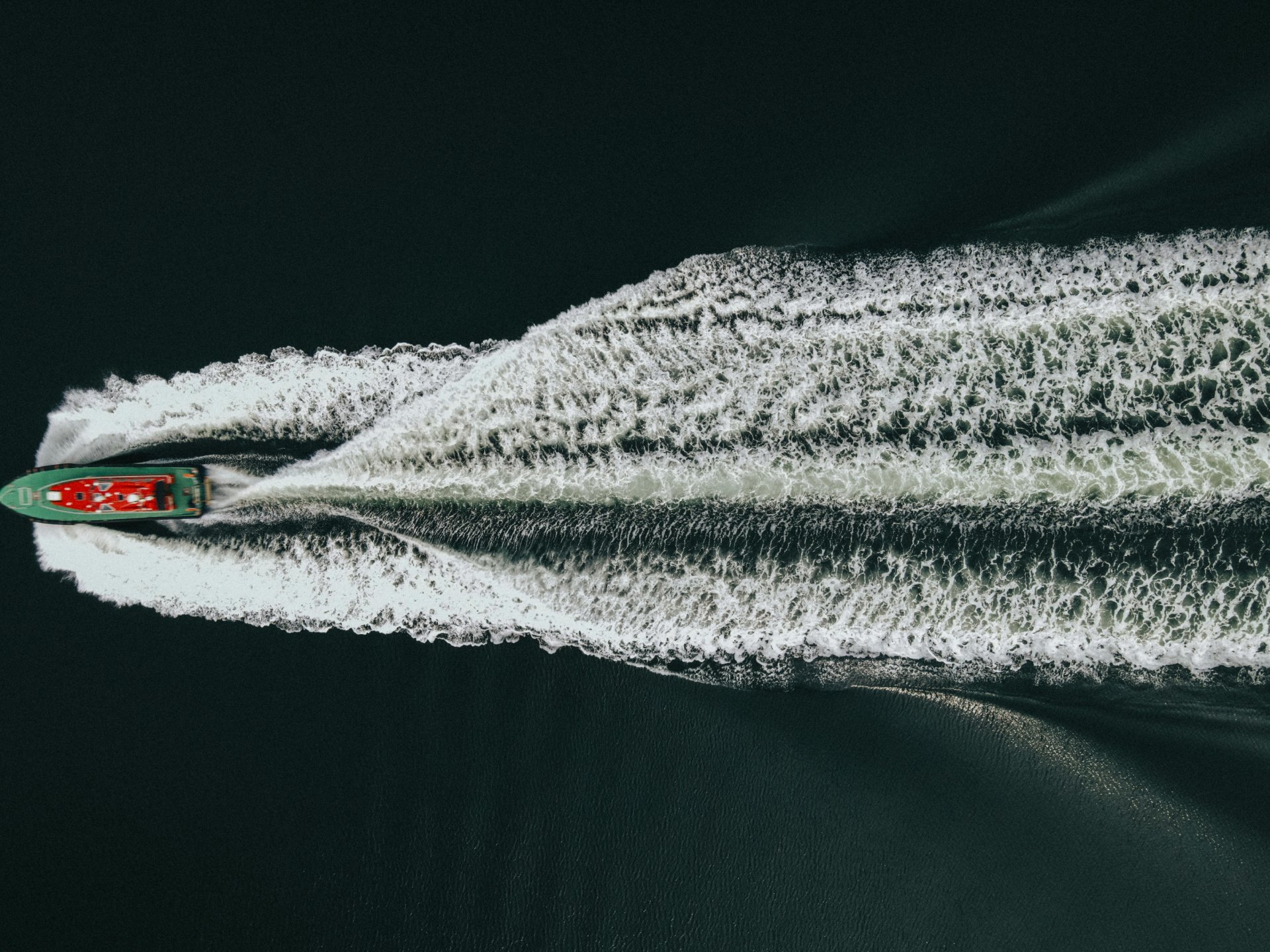
Further east, in Raja Ampat’s Wayag Island, a Singaporean traveler fell while navigating a steep slope, sustaining a distal ankle fracture and partial dislocation. Remote and without reliable access to emergency transport, the island presented similar challenges. Global Rescue coordinated a field rescue using a high-powered speedboat to reach Sorong Port, followed by a ground ambulance to a local hospital. Once stabilized with a cast and advised to delay surgery until swelling subsided, the member returned home for further treatment.

In Indonesia’s far-flung corners, where helicopters are limited and roads nonexistent, a fast boat can make all the difference. These rescues show how critical maritime evacuations can be when time, terrain, and tides are working against you.


Sherpa-Aided Descent from Annapurna 1

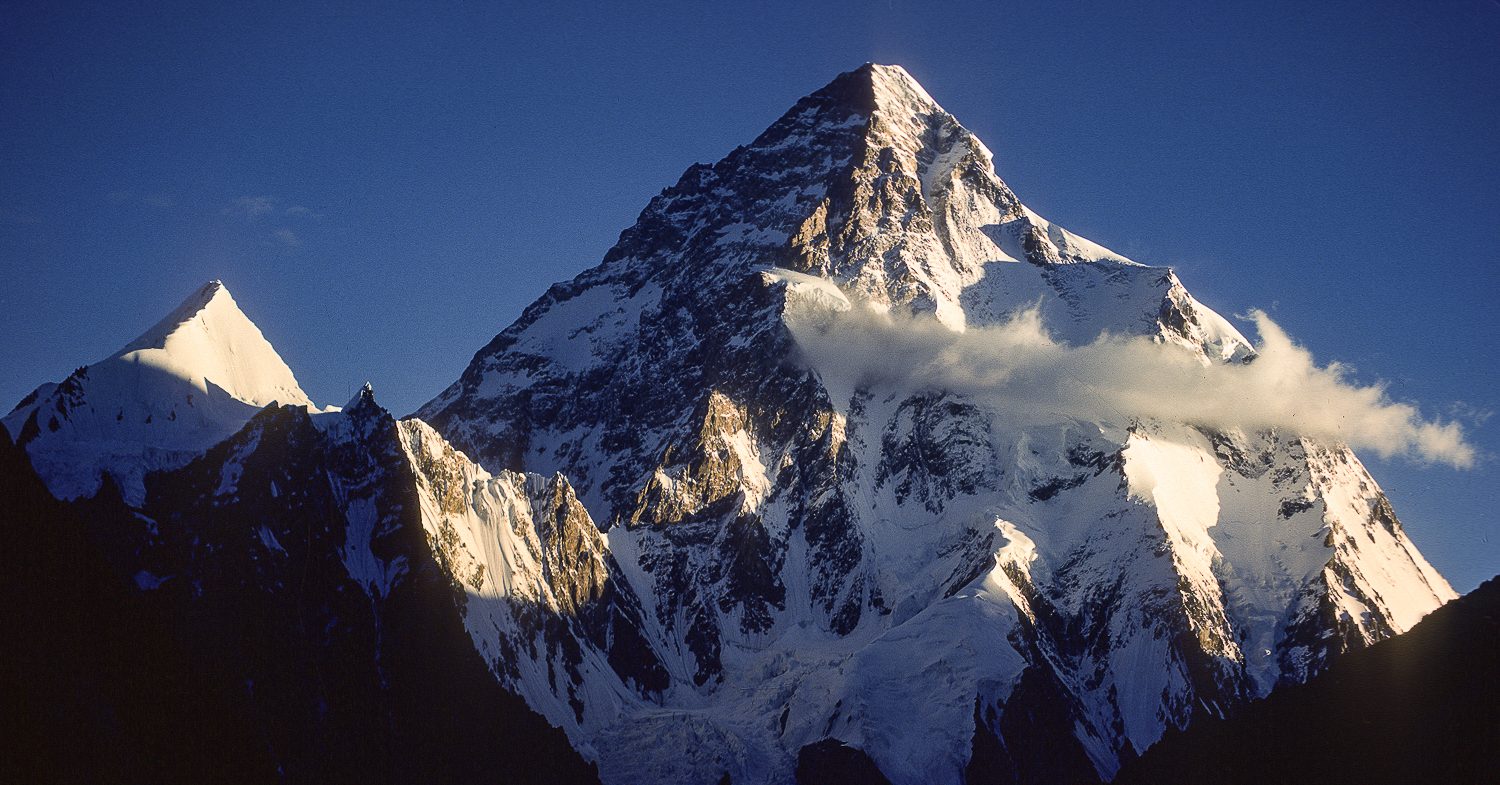
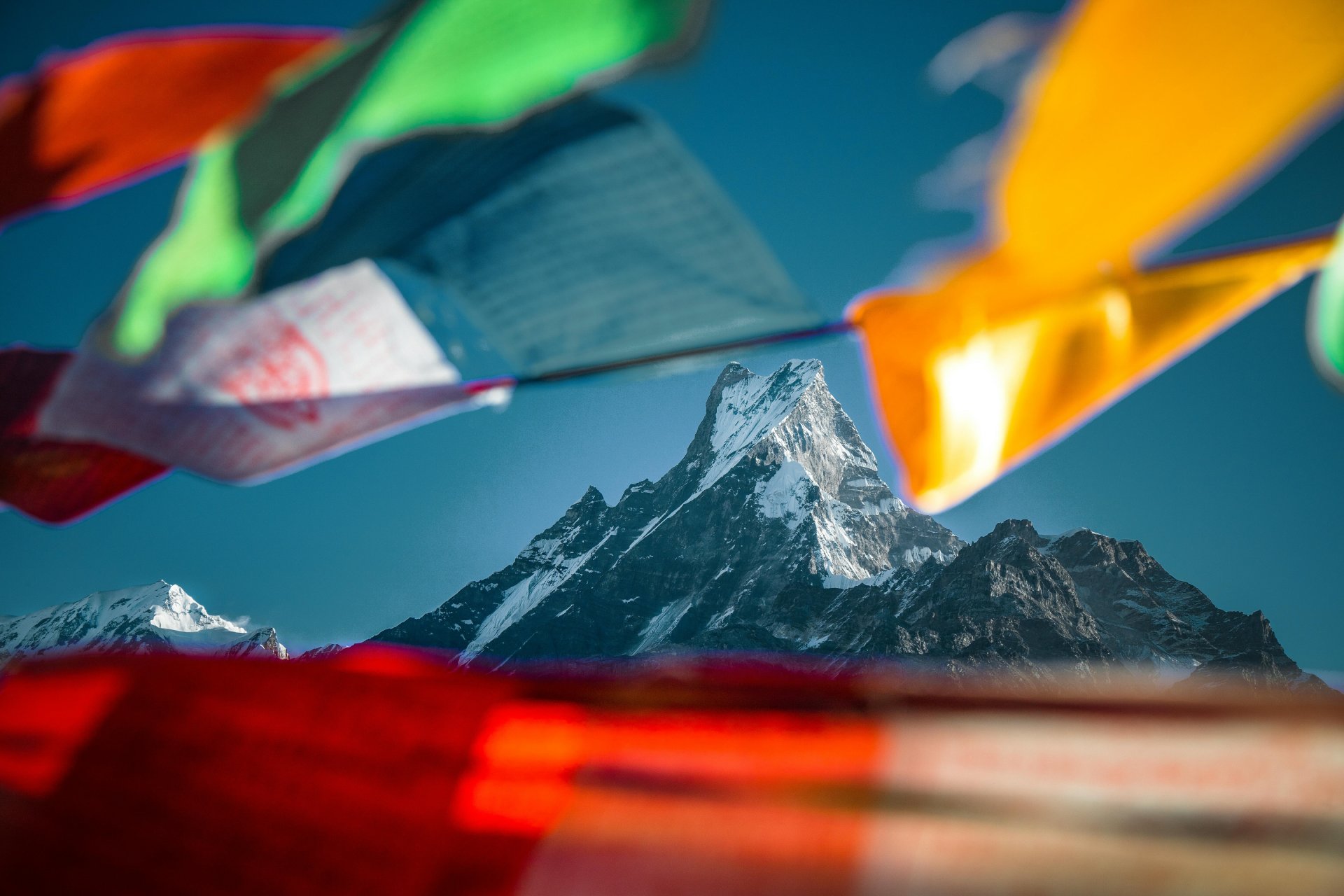
Annapurna 1 isn’t just high, it’s dangerous. After summiting the 26,545-foot peak, a climber began his descent and showed signs of HAPE (high-altitude pulmonary edema): shortness of breath, extreme fatigue and confusion.

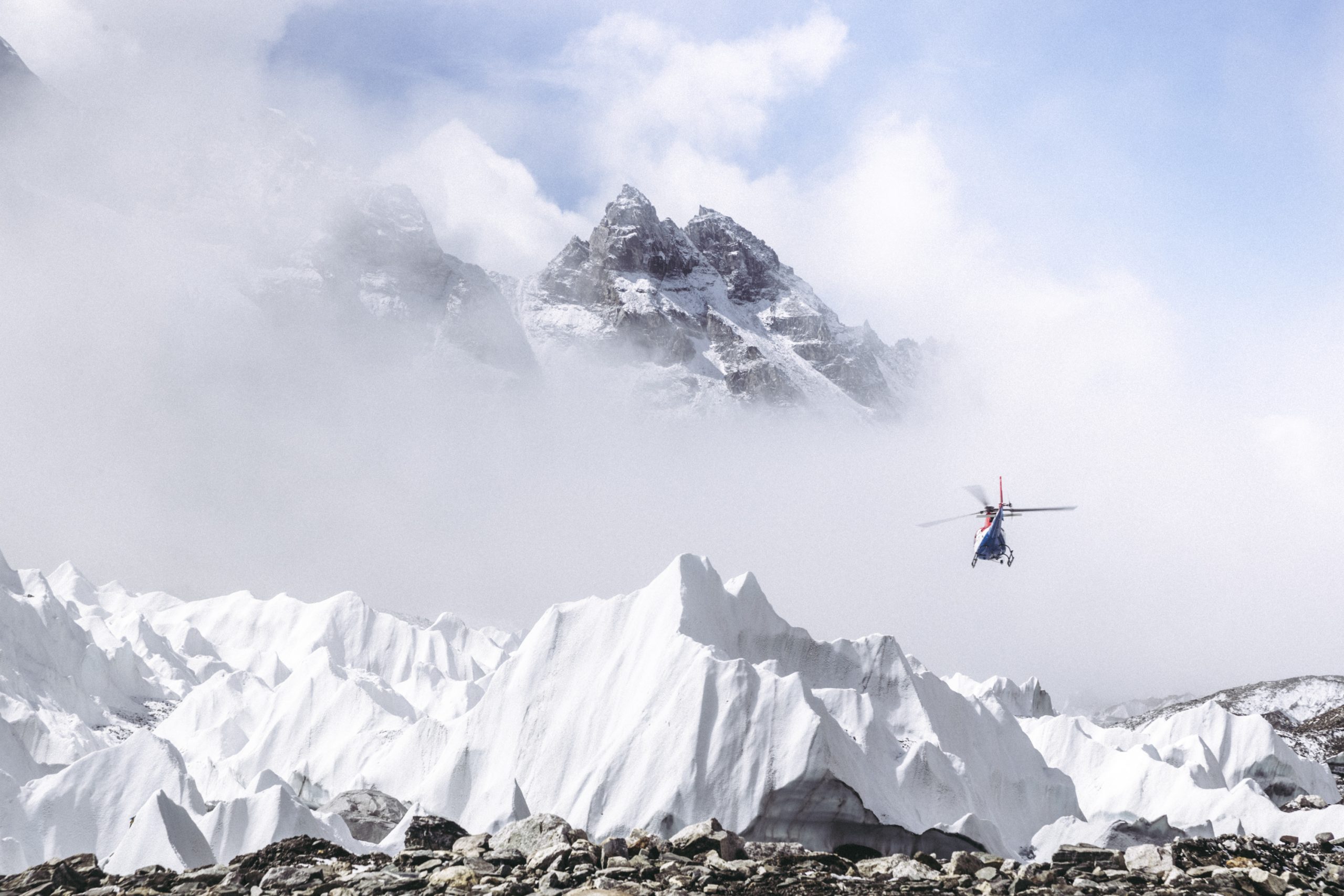
Stranded at Camp 4 during the night with no available landing zone for a helicopter, Global Rescue worked with a Sherpa to guide the member down 3,000 feet to a more stable altitude. Even then, the terrain didn’t allow for a standard evacuation. A long-line helicopter extraction — where the patient is airlifted while suspended from a cable — was required.

At Base Camp, Global Rescue staff took over. The member was stabilized at a hospital, treated for HAPE and recovered fully thanks to a seamless rescue and medical handoff.


Yacht Extraction From Sudan During Civil Unrest

Not all rescues involve accidents. Sometimes, it’s geopolitics that turns a trip into a crisis. That was the case in Sudan, where civil war broke out suddenly, stranding travelers in Port Sudan without viable overland or air escape routes.

As embassies evacuated staff, travelers without a plan were at severe risk of being left behind. Global Rescue, led by a team of special operations veterans including former Navy SEALs, coordinated the extraction of multiple travelers by sea. The solution? A 600-mile maritime evacuation by a yacht capable of open-sea transport to Egypt.

“This was not a trip for pleasure,” said Bush. “This was a mission to get people out before the fighting reached the coast. Once Port Sudan fell, extraction would have been nearly impossible.”


Bush Plane Medevac From the Canadian Arctic

In the Arctic, there are no roads. When a US traveler working at a Canadian research station suffered multiple first- and second-degree burns, the only way out was via bush plane.

Global Rescue orchestrated the remote extraction from the frozen lab site. The injured traveler was flown to a nearby hospital where he received urgent treatment for burns to his hands, head, arms and chest. After stabilization, he returned to Seattle for further care.

The bush plane wasn’t just a transport, it was the difference between timely treatment and a potentially life-threatening delay.


The Global Rescue Connection

Whether it’s a mule on a glacier, a hammock on a volcano or a speedboat navigating island reefs, Global Rescue doesn’t just cover you, we come and get you.

Most travel protection providers leave you stranded at the worst moment: the moment you’re injured, lost or unable to move. They require you to get yourself to the hospital before help begins. That means navigating foreign languages, remote terrain and unfamiliar systems on your own while you’re experiencing a medical emergency.

Global Rescue does the opposite. We pioneered worldwide field rescue, offering boots-on-the-ground extractions, not reimbursements after the fact. When you contact us, we deploy helicopters, bush planes, 4x4s, boats or people on foot. We send medical professionals and evacuation specialists to your exact location and stay with you until you’re safe.

In remote mountains, at-sea crises, politically unstable regions or Arctic wilderness, Global Rescue moves heaven and earth to bring you home.