Article Highlights:

  • The winter climbing season on Mount Everest runs from late December to February and is rarely attempted due to deadly conditions.
  • Temperatures plunge to -40°C/-40°F with jet stream winds topping 100 mph, making summit opportunities extremely rare and dangerous.
  • Winter climbers face limited rescue options and must endure high risk with minimal support, making preparation and resilience critical.
  • Global Rescue has conducted hundreds of rescues during peak climbing seasons, including complex operations for HAPE, HACE, snow blindness and frostbite.
  • Experts warn that over-reliance on helicopter rescues undermines the spirit of mountaineering; self-reliance must remain a core value.


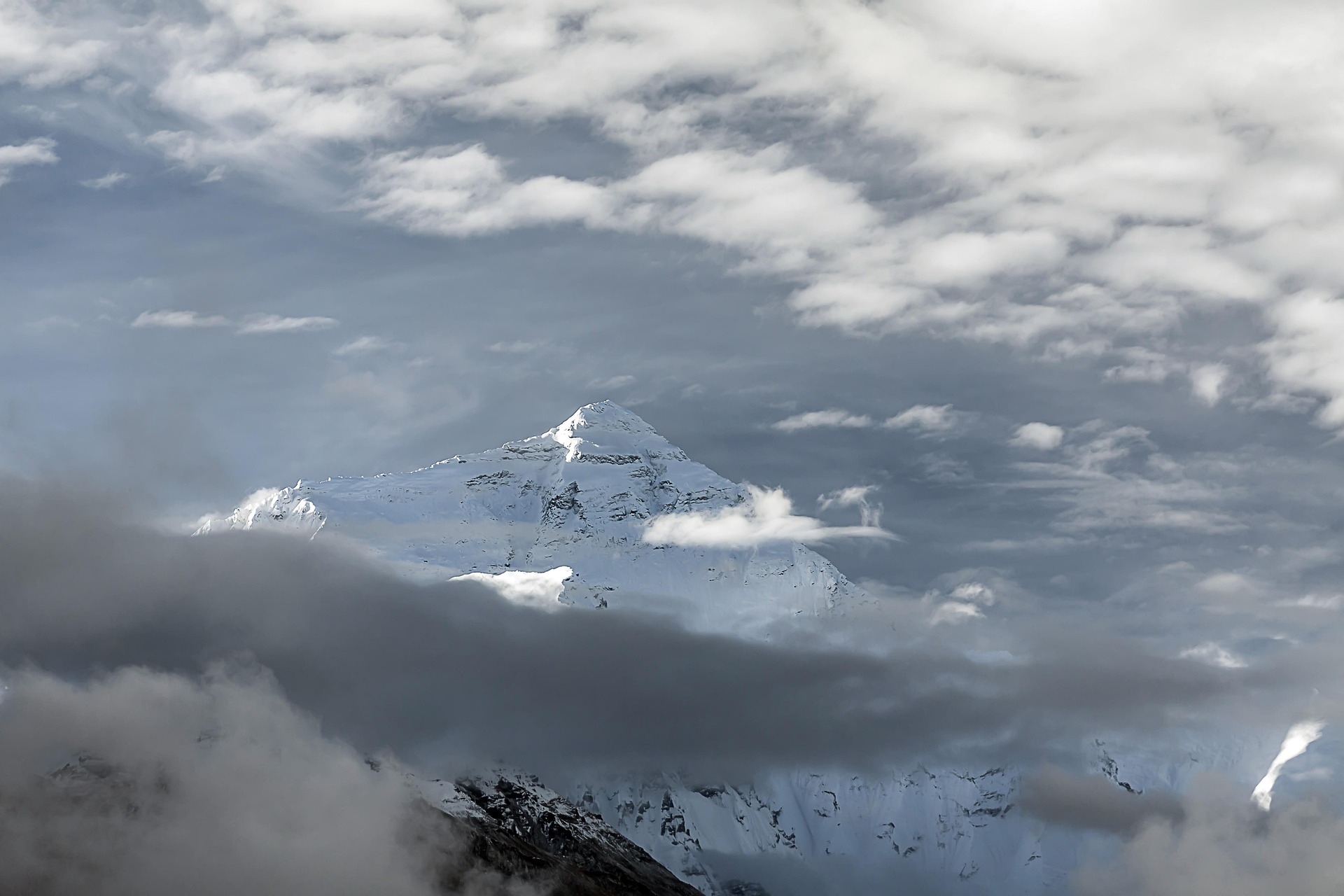
Mount Everest, the highest point on Earth at 29,032 feet/8,848 meters, has long stood as the ultimate symbol of achievement in mountaineering. While thousands have reached its summit during the popular spring season, only a tiny fraction have dared to confront Everest during the harshest months of the year. The winter climbing season is a test of extreme endurance, mental fortitude and technical prowess. It is Everest stripped bare, absent the crowds, commercialization and relative weather stability that come with spring.


Summit Mount Everest in Winter

The official winter climbing season on Mount Everest begins in late December and extends through February, occasionally spilling into early March. During this time, only the most experienced climbers even consider attempting the ascent. Unlike the more generous summit windows in May, winter offers little to no predictability. The brief chance to summit often opens in late January or early February, if it opens at all.

This unpredictability demands an expedition-style approach: teams must prepare for weeks of waiting in brutal conditions, hoping for a narrow window in which the jet stream might briefly relent.

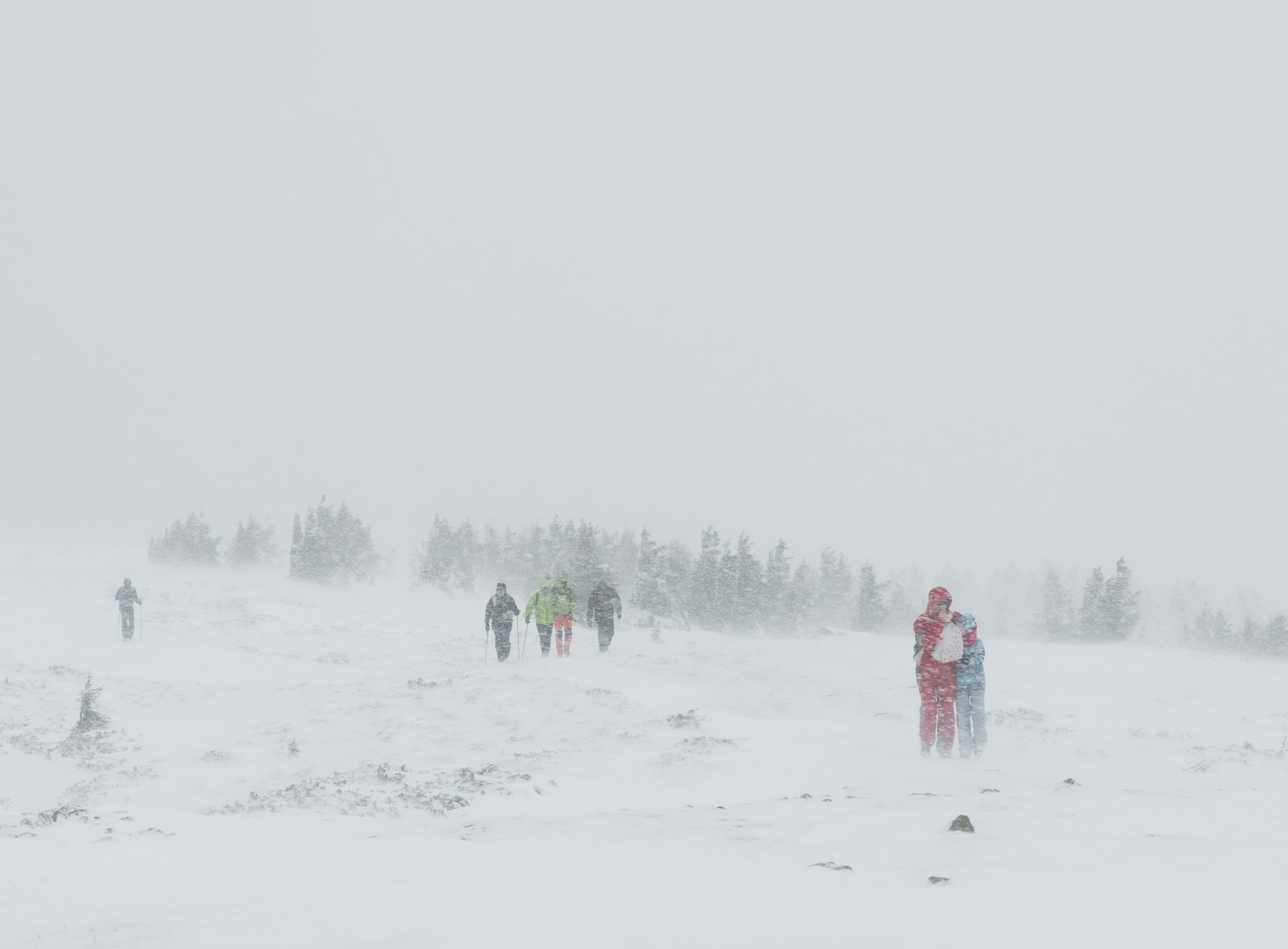
Winter on Everest is not just cold, it’s deadly. Summit temperatures routinely drop to –40°C (–40°F) and lower. Add wind chill and the exposure becomes life-threatening even with world-class gear. The winter jet stream remains fixed over the mountain, unleashing winds exceeding 160 km/h (100 mph), often for days at a time.

While the winter season is generally drier than the post-monsoon period, snowstorms and avalanches remain potent risks. Heavy snow accumulation can obscure crevasses, destabilize slopes and bury tents, posing significant risks. With limited daylight of just 10 hours or fewer, climbers must move efficiently and navigate in near-constant cold and low visibility.


The Elusive Winter Summit Window

In spring, Everest offers a predictable summit window — usually one to two weeks in May — when the jet stream lifts, allowing relatively calm weather. In winter, no such predictability exists. Climbers might wait six weeks and never get a safe opportunity to ascend. If a window does appear, it may last less than 24 hours.

Those attempting winter ascents must be capable of shifting quickly into summit mode at a moment’s notice. This requires not only elite conditioning and acclimatization but also a logistical setup that allows a team to move rapidly from base camp to the higher camps, even after days or weeks of inactivity.


Seasonal Distinctions on Mount Everest

Spring and winter on Mount Everest offer vastly different climbing experiences, each defined by unique challenges and opportunities. The spring season, running from April to May, is by far the most popular time to climb. The weather is relatively more forgiving, with temperatures ranging from –20°C to –30°C and the jet stream typically shifts away from the summit, opening up a predictable one- to two-week summit window in May. This stability attracts hundreds of climbers, leading to heavy crowding along the route. Rescue operations and commercial support are widely available, making it the preferred season for most guided expeditions.

In stark contrast, the winter season — from December through February — sees fewer than one percent of all Everest ascents. Temperatures can plunge to –40°C or lower and the relentless presence of the jet stream brings sustained high winds that make summit attempts extremely rare and unpredictable. There is virtually no crowding, but that also means limited rescue access. Winter climbing is a test of pure expedition-style mountaineering, requiring extreme self-reliance, technical expertise and the ability to endure some of the harshest conditions on Earth.

Winter ascents are so rare that each successful attempt makes headlines. The risks are significantly higher and the chances of success are dramatically lower. Still, for a small number of elite mountaineers, that’s the draw.


Rescue Realities and the Role of Global Rescue

In spring, helicopter rescues from Everest Base Camp and even Camp II are increasingly common. During winter, however, fewer flights operate, and even those that do can be grounded by storms or visibility issues.

Global Rescue, a leader in travel risk and crisis response, has provided up to 25 rescue missions per day during Everest’s peak spring summit window. These operations aren’t just simple extractions; they include pre-positioned medical teams across the Himalayas managing multi-phase rescues from Everest, Annapurna and Mera Peak. Climbers suffering from High Altitude Pulmonary Edema (HAPE), High Altitude Cerebral Edema (HACE), frostbite and trauma have been stabilized and evacuated thanks to these complex operations.

In winter, however, those services become significantly harder to access. Nepal’s evolving helicopter regulations, designed to prevent unnecessary flights and fraud, have added another layer of difficulty. This has raised the stakes for winter climbers, who must now rely even more on self-sufficiency and preparation.

Climbing at extreme altitudes like those found on Mount Everest exposes climbers to life-threatening conditions such as HAPE, HACE, severe frostbite and trauma from falls, all of which can become fatal without immediate intervention. In these remote, high-elevation environments, standard evacuation services are often unavailable or incapable of reaching affected climbers quickly.

That’s why Global Rescue’s High-Altitude Evacuation Package is essential. It provides climbers with access to specialized extraction capabilities, including helicopter evacuations from elevations above 15,000 feet and expert medical coordination tailored to altitude-related emergencies. For mountaineers operating in the death zone, this coverage isn’t just smart, it can be the difference between life and death.

Experts, including Global Rescue’s senior advisors, caution that over-reliance on rescue has become an issue in the Himalayas. The growing expectation of helicopter availability can lead some climbers to take greater risks or attempt ascents beyond their ability. But as winter climbers know, Everest can’t be negotiated. It must be respected.


Winter Mountaineering: No Margin for Error

Winter mountaineering on Everest requires a very different mindset than spring attempts. This is not a supported experience with pre-set ladders, Sherpa teams fixing lines and daily helicopter flights. This is pure, raw mountaineering: just you, your team, the cold and the wind.

Only a handful of climbers have successfully summited Everest in winter, including Polish mountaineer Krzysztof Wielicki in 1980, marking the first winter ascent. These pioneers pushed the boundaries of what humans can endure.

Modern winter expeditions require climbers to haul all their gear, fix their ropes, break trail through deep snow and weather week-long storms without outside support. The risk of frostbite, snow blindness, HACE and HAPE increases exponentially, particularly when the body’s ability to recover is compromised in extreme cold.

Many climbers retreat without even attempting the summit. And when they do, they do so without fanfare, because surviving Everest in winter is victory enough.


The Global Rescue Connection

The increasing normalization of helicopter rescues risks diluting the fundamental spirit of mountaineering — one built on grit, endurance, self-reliance and accountability.

Veteran climbers like Ed Viesturs, Tom Livingstone and Conrad Anker maintain that a climb isn’t complete until the climber returns to base camp on foot, unless a legitimate emergency requires otherwise. Everest chroniclers Alan Arnette and Gordon Janow agree, warning that “rescue services should support preparedness, not replace it.”

As Everest attracts larger crowds and higher ambitions, the true challenge of mountaineering risks being lost in the noise. The point of the climb isn’t just reaching the summit, it’s returning safely under your own power.

“Climbers must be prepared to rely on themselves if helicopters are grounded,” said Stretch, a rescue operations expert with Global Rescue. “Training, acclimatization and smart decision-making can be the difference between life and death.”

Winter climbing on Mount Everest is a rare and punishing pursuit. It strips the mountain down to its most elemental form and offers no forgiveness. For those who crave the truest form of mountaineering — a world without ladders, porters or luxury tents — this is where legends are made.

But it’s also where lives are lost if climbers underestimate the stakes. Whether during a spring summit with backup support or a solo winter attempt in -40°C wind, Everest demands respect. The climb is not just about the summit, it’s about survival, resilience and the journey back down.