Article Highlights:

  • Two travelers were evacuated from Kilimanjaro due to altitude illness and a fractured ankle.
  • A US teenager was airlifted from Botswana after developing acute gastritis at a remote camp.
  • A paragliding accident in China required repatriation to Australia for surgical treatment.
  • A Dutch traveler in Mongolia underwent arm surgery after a motorcycle crash.
  • Every member was safely transported, evaluated, treated, and either returned home or continued recovery abroad.


No matter how carefully a trip is planned, health emergencies can strike anywhere, especially in remote or high-risk locations. From mountain slopes and backcountry camps to foreign cities and safari lodges, travelers often find themselves far from advanced medical care when something goes wrong. For those who prepare, having access to rapid medical support and evacuation services can be the difference between a crisis and a safe return home.

Global Rescue responds to these moments with speed and expertise. In this issue of Mission Briefs, we detail several recent cases that underscore the unpredictable nature of travel-related emergencies. Whether the challenge was altitude sickness, a traumatic injury or a gastrointestinal illness, Global Rescue teams coordinated complex operations to ensure members received the proper care at the right time and place.

Two members on Mount Kilimanjaro required helicopter evacuations, one for a serious ankle fracture, the other for severe altitude illness. In Botswana’s Okavango Delta, a teenage traveler was airlifted from a remote safari camp after developing acute gastritis. Another member was repatriated from China following a paragliding accident that resulted in a fractured leg. In Mongolia, a motorcycle crash left a traveler with a broken arm and an urgent need for orthopedic surgery.

These rescues reflect the reality of international travel: even seasoned adventurers can find themselves in need of emergency support. Global Rescue stands ready 24/7 to respond, no matter the location or circumstance.


Altitude Illness on Kilimanjaro

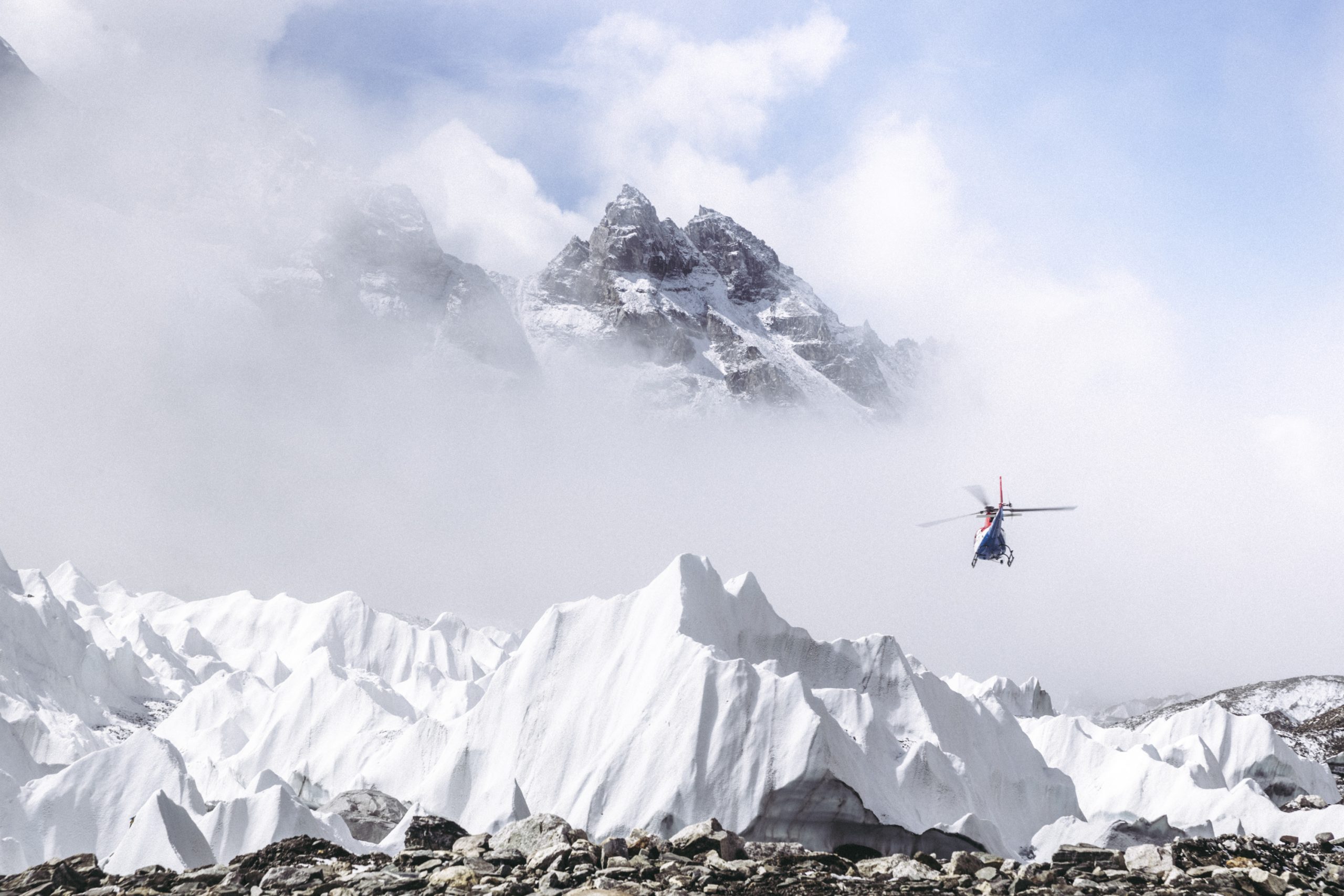
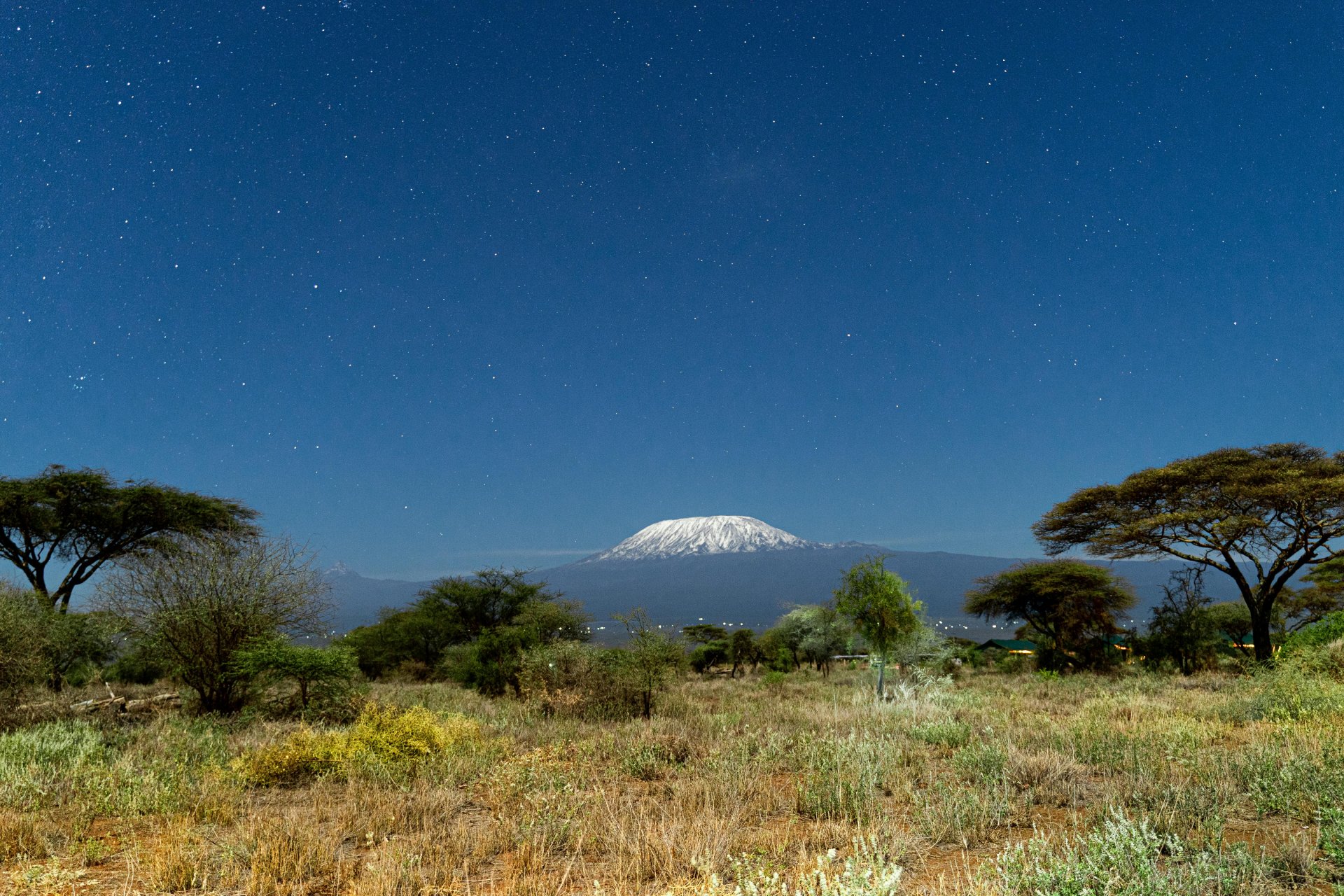
A 42-year-old member from United States was experiencing acute mountain sickness while at Barranco Camp on Mount Kilimanjaro, Tanzania. After two days of vomiting, nausea and diarrhea led to dehydration and weakness, park rangers recommended evacuation. Poor weather delayed the mission by a day, but the member was later transported by helicopter to a hospital where she was evaluated, treated and discharged after observation.


Gastritis in the Okavango Delta

A 17-year-old member from the United States, developed worsening dizziness, vomiting and dehydration while at a remote camp in the Okavango Delta, Botswana. After receiving minimal relief from initial treatment by a camp doctor, her condition persisted and she was evacuated by helicopter to a hospital in Maun. She was diagnosed with acute gastritis, admitted overnight for observation and showed improvement before discharge the next day. She has since returned home to the US.


Paragliding Injury in China

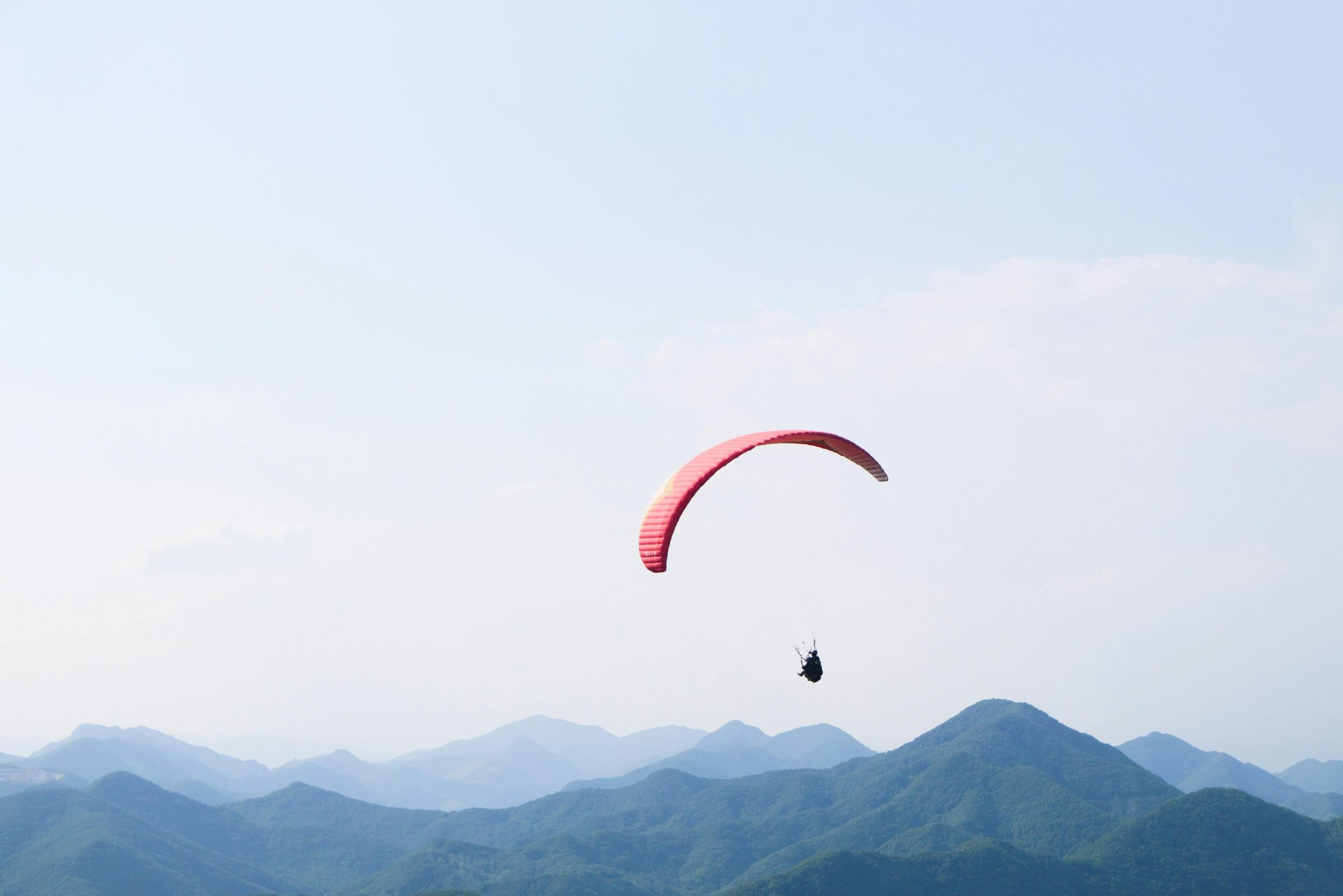
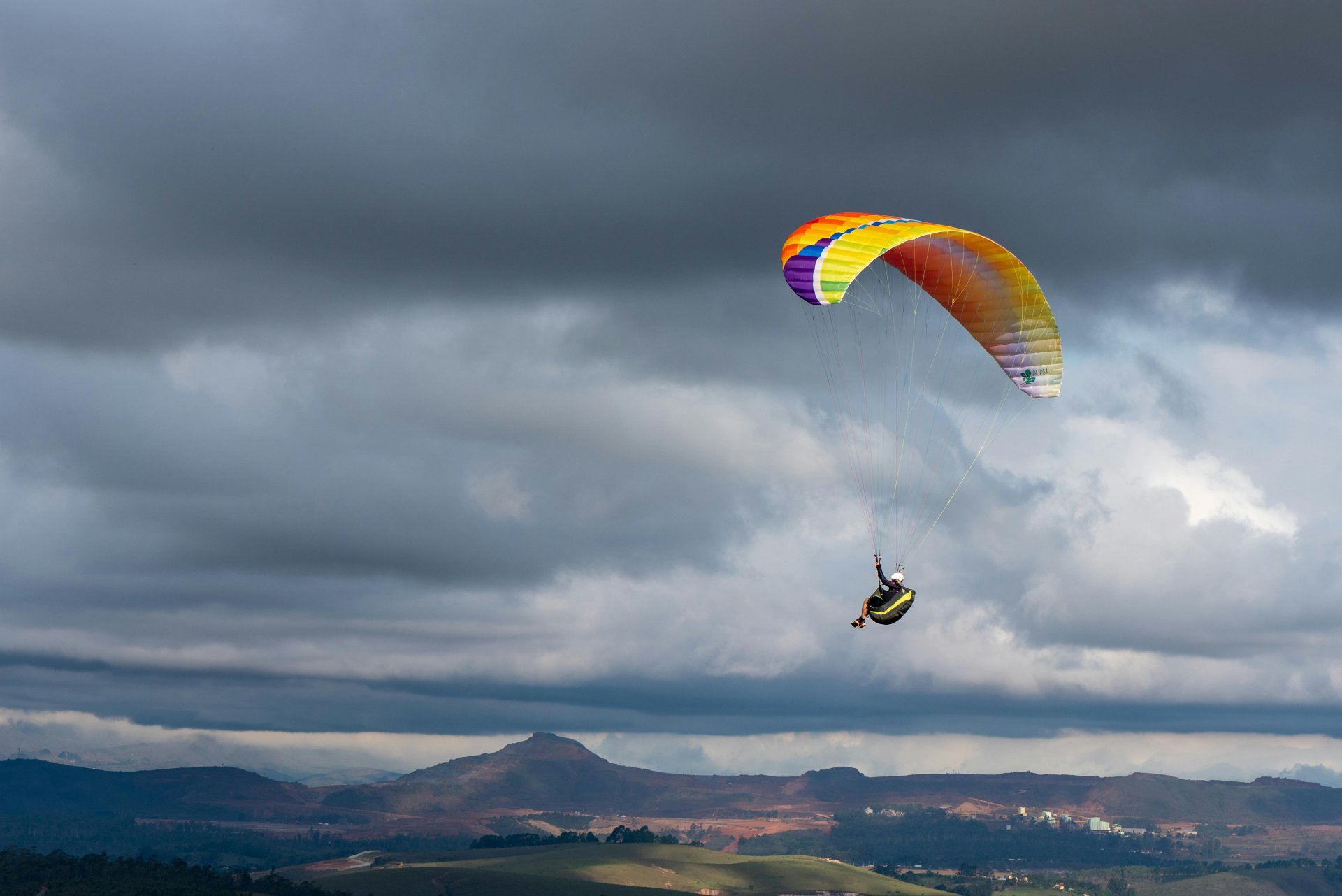
A 38-year-old member from Australia fractured his right leg after a paragliding accident in Lanzhou, China. He was initially treated at a regional hospital but requested repatriation to Australia for surgical care. Global Rescue doctors confirmed surgery was needed and approved commercial medical evacuation. The member traveled in business class with mobility assistance and arrived in Brisbane without complications. He proceeded to a hospital for further evaluation and treatment planning.


Ankle Fracture on Kilimanjaro

A 42-year-old member from Canada dislocated his right ankle and experienced acute mountain sickness while at Barranco Camp on Mount Kilimanjaro. Despite reduction of the dislocation in the field, severe pain and swelling persisted. He was evacuated by helicopter and diagnosed with a bimalleolar fracture requiring surgery. Global Rescue upgraded his return itinerary to accommodate mobility limitations. He arrived home safely in Edmonton and expressed gratitude for the assistance.


Motorcycle Accident in Mongolia

A 45-year-old member from the Netherlands, sustained a left arm fracture in a motorcycle accident while traveling in Mongolia. He was evaluated at a trauma center and transferred to another hospital for surgery to repair a fragmented humerus. After several days of inpatient recovery, he was discharged and cleared for travel. Global Rescue arranged local ground assistance upon his arrival in Bali, where he reunited with his family to continue recovering.


The Global Rescue Connection

Rescues in remote and challenging environments demand swift, expert intervention, often by air. Whether evacuating a traveler from a high-altitude camp on Kilimanjaro, transporting a teen from the heart of the Okavango Delta, or repatriating an injured paragliding pilot from rural China, Global Rescue bridges the gap between emergency and recovery.

These missions underscore the vital importance of medical evacuation and field rescue capabilities, particularly in regions where local care is limited or inaccessible. From helicopter extractions in rugged terrain to medical monitoring during long-haul flights, Global Rescue ensures members receive timely, professional assistance no matter where they are in the world.

A Global Rescue membership provides peace of mind with access to emergency field rescues, worldwide medical evacuations and 24/7 medical advisory support. When unexpected illnesses or injuries occur, having a trusted team ready to act can make all the difference.

Travel is unpredictable, but your response to a crisis doesn’t have to be. With Global Rescue, you’re never alone when it matters most.