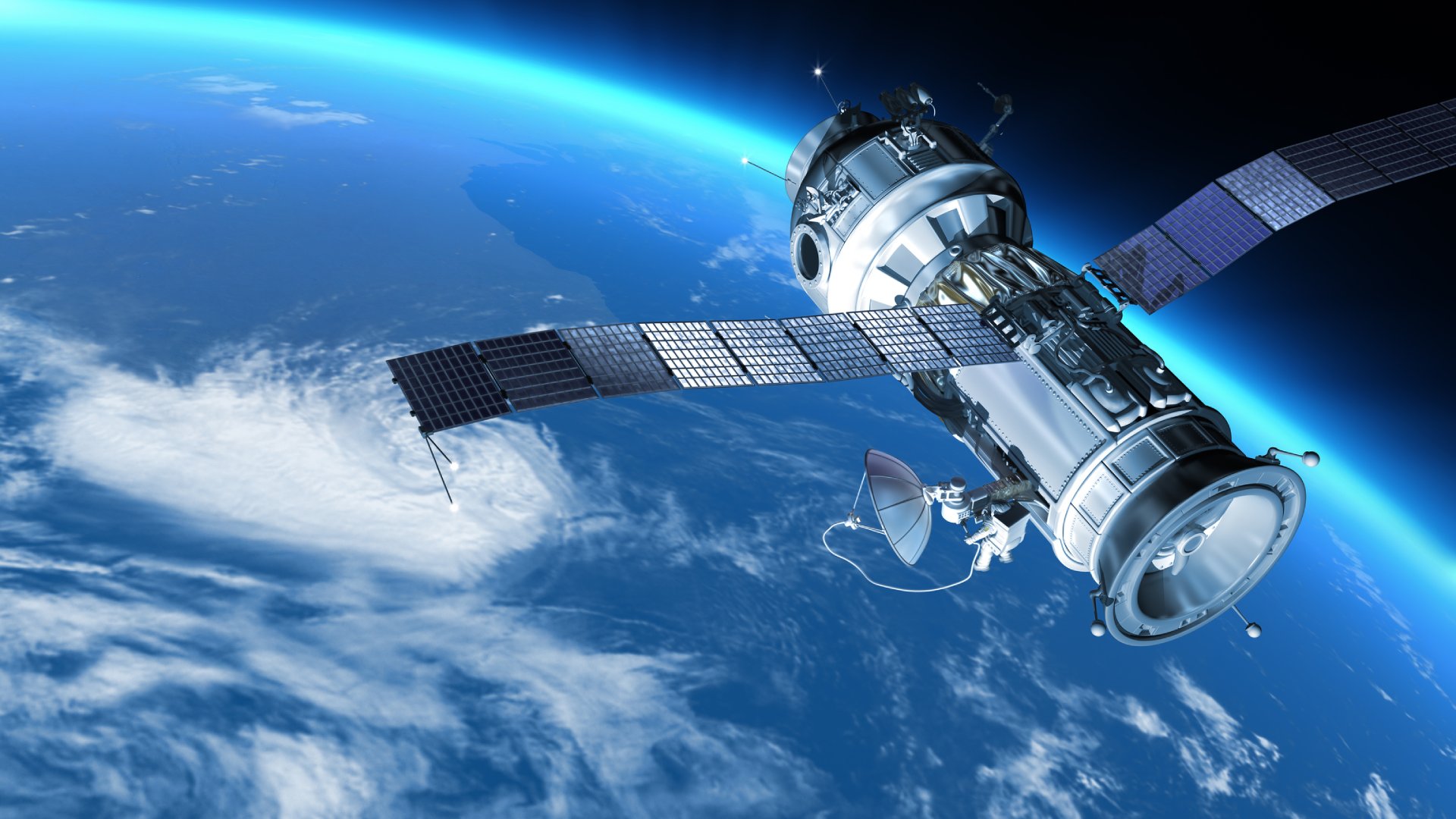
Article Highlights:

  • New smartphones like the iPhone 14+, Pixel 9 and Galaxy S25 now support emergency satellite communications beyond cellular networks.
  • T-Mobile’s Starlink, AT&T’s AST SpaceMobile and Verizon’s Skylo partnerships aim to bring direct-to-phone satellite service to millions.
  • iOS 18 expands Apple’s system from SOS-only to iMessage and SMS via satellite, powered by Globalstar.
  • The 3GPP NTN standard and Qualcomm/MediaTek modems are driving global standardization for satellite-enabled smartphones.


Travelers beware: While the industry trend is shifting from emergency-only use to two-way messaging, voice calls and even mobile data via orbiting networks, many countries still ban or strictly regulate their use.

Your smartphone doesn’t just connect you to the world—it can save your life. Thanks to major advancements in emergency satellite communication, leading carriers and smartphone makers are ensuring that even when you’re off the grid, you’re not out of reach. From iPhones running iOS 18 to the Google Pixel 9 series and Samsung’s Galaxy S25 lineup, a new era of satellite-enabled safety is here—powered by collaborations among T-Mobile, AT&T, Skylo, AST SpaceMobile and Globalstar.

What began as a niche emergency feature is quickly becoming a mainstream standard. The ability to send an SOS message—or soon, a regular text or call—from the middle of nowhere represents one of the most significant leaps forward in personal safety technology since GPS became standard on mobile devices.


The Global Expansion of Emergency Satellite Services

Your smartphone’s emergency satellite communication capability works in areas without cellular or Wi-Fi service, but availability depends on your location and phone model.

Apple iPhones with Emergency SOS via satellite currently operate in Australia, much of Europe, Japan, New Zealand, North America and Mexico. The service uses Globalstar satellites and now, with iOS 18, extends beyond emergency SOS to include basic messaging—both iMessage and SMS—when no traditional network is available. For now, Apple offers the feature free for a limited period after activation, signaling its intent to make satellite connectivity a core iPhone function.

Google Pixel phones, beginning with the Pixel 9 series, use Skylo’s satellite network to deliver emergency SOS in the United States, Canada and Europe. Like Apple’s system, users must be outdoors with a clear sky view to connect. The Pixel’s advantage? Integration with Google Messages, providing a seamless way to contact emergency responders or share GPS location when off-grid. The service is currently free for two years.

These services are no longer limited to rare adventurers or remote workers—they’re built for everyday travelers, hikers and even suburban residents facing natural disasters that knock out communications.


Next-Generation Devices Lead the Shift

Recently, smartphone makers have gone all-in on satellite integration.

  • Google Pixel 9 Series (2025) – The Pixel 9, 9 Pro, 9 Pro XL and 9 Pro Fold feature Satellite SOS powered by Skylo, offering two-way communication during emergencies and enabling location sharing.
  • Samsung Galaxy S25 Series – Samsung’s S25, S25+ and S25 Ultra are the first to support Qualcomm’s Snapdragon Satellite, built into the Snapdragon X80 modem. The feature enables both two-way text messaging and emergency SOS and Verizon’s partnership with Skylo extends compatibility to more regions.
  • Apple iPhone 14 and Later – Apple’s collaboration with Globalstar now goes beyond emergency use. iOS 18 introduces “Messages via Satellite,” allowing iMessage and SMS communication without Wi-Fi or cellular access—an industry first for mainstream devices.


Carrier Power Plays: T-Mobile, Verizon and AT&T Go Orbital

The big three US carriers are racing to make “no service” a thing of the past.

  • T-Mobile and SpaceX Starlink: T-Mobile’s groundbreaking partnership with Starlink introduces a “direct-to-cell” network capable of connecting ordinary smartphones directly to satellites. The system, now in beta, supports emergency Text-to-911 for all carriers and plans to expand to voice and data by 2026. What makes this revolutionary is that it works with existing hardware—no special antenna or modem required.
  • Verizon and Skylo: Verizon is integrating Skylo’s satellite network into its Android ecosystem, giving Galaxy S25 and Pixel 9 users access to satellite-based messaging and location sharing—features that once required specialized devices like Garmin inReach or Iridium communicators.
  • AT&T and AST SpaceMobile: AT&T, meanwhile, is collaborating with AST SpaceMobile, which has successfully launched satellites capable of providing direct-to-smartphone connectivity using standard LTE and 5G protocols. Full service rollout is expected in late 2025. The promise: voice calls, video and internet data over satellite networks, integrated directly into standard mobile plans.


The Push Toward Standardization

As more players enter the orbit, the industry faces a challenge—standardization. Until recently, each satellite service worked on proprietary technology, locking users into specific brands or networks. That’s changing fast.

The 3GPP NTN (Non-Terrestrial Networks) standard, now embraced by companies like Qualcomm and MediaTek, establishes a unified framework for satellite-to-phone communications. This means future smartphones, regardless of manufacturer, will use similar modems and protocols to connect to any compatible satellite network.

Qualcomm’s Snapdragon Satellite and MediaTek’s NTN-ready modems are leading this shift, paving the way for interoperability across carriers and continents. This will make emergency satellite services as universal as Wi-Fi calling—accessible on nearly any new phone, regardless of brand.


Safety and Preparedness in the Era of Satellite Connectivity

As powerful as this technology is, it still comes with limitations. Users must be outdoors with a clear view of the sky and satellite coverage varies by region due to government regulations and network availability. It’s also essential to distinguish between emergency use and general communication:

  • Emergency SOS via Satellite is for life-threatening situations.
  • Messages via Satellite (where available) allows limited personal texting when you’re off-grid but not in immediate danger.

Experts recommend activating these features in advance, testing the system before travel and carrying a power source since satellite connections may take longer and consume more battery.


Key Industry Trends

  • Two-Way Communication Expansion: Satellite connectivity is evolving from one-way SOS messages to real-time two-way texting and eventually voice and data.
  • Carrier Integration: Mobile carriers are weaving satellite services into standard plans, eliminating the need for separate devices.
  • Global Coverage: Companies like SpaceX, AST SpaceMobile and Skylo are expanding satellite constellations to fill coverage gaps worldwide.
  • Standardization via 3GPP NTN: Qualcomm and MediaTek’s new modems will ensure future interoperability across brands and carriers.
  • Everyday Safety Use: Satellite features are transitioning from specialized adventure gear to essential consumer safety tools.


Travelers Beware

While satellite connectivity promises global reach, it’s not universally permitted. Several countries ban or strictly regulate smartphones that use emergency satellite communication features due to national security concerns, frequency control laws, or restrictions on encrypted communications.

For example, China, India, Russia, Cuba, North Korea, and Iran either prohibit or heavily restrict the use of satellite messaging and tracking devices, including smartphones with such features. Travelers entering these countries are often required to disable or remove devices with active satellite capabilities. In some regions, possession of unauthorized satellite equipment can lead to fines, device confiscation, or even arrest.

In India, for instance, iPhones’ “Emergency SOS via satellite” remains unavailable pending government approval, as the country classifies satellite communication under strict licensing requirements. China bans civilian satellite communications outright, meaning iPhones and Android phones automatically disable satellite functions when operating within Chinese territory. Similarly, Russia and Iran regulate access to foreign satellite networks to prevent unmonitored data transmission.

These restrictions underscore the importance of checking local regulations before traveling internationally. While the technology itself is designed for safety, its use across borders intersects with national sovereignty and security policies. As manufacturers and carriers expand coverage, they continue to work with governments to gain authorization in new regions—though some bans are unlikely to lift soon.


The Global Rescue Connection

As satellite connectivity extends the reach of your smartphone, the next frontier of safety goes beyond signal strength. Even with advanced SOS technology, true rescue support requires expert coordination, evacuation logistics and medical advisory that satellites alone can’t provide.

That’s where Global Rescue comes in.

Whether you’re trekking in the Himalayas, exploring remote islands or driving through cellular dead zones, a Global Rescue membership ensures you’re protected. From field rescue and medical evacuation to real-time medical advisory and security intelligence, Global Rescue’s teams are on standby 24/7 to assist wherever you are—even when technology fails.

Your smartphone may connect you to the sky, but Global Rescue connects you to safety.