Article Highlights:

  • Hunting abroad requires permits, licenses and tags unique to each destination.
  • Firearm import rules vary widely, with South Africa among the most lenient and Australia among the most restrictive.
  • Trophy exports involve complex CITES and ESA compliance, as well as country-specific regulations.
  • Wildlife regulations dictate species, weapons, quotas and even outfitter use.
  • Proof of documentation and border compliance are as necessary as the hunt itself.


International hunting adventures offer unmatched thrills. Whether you’re stalking moose in Sweden, tracking Himalayan tahr in New Zealand or pursuing black bear in Canada, transporting hunting gear and trophies across borders requires meticulous planning, legal awareness and logistical precision. The process can feel more daunting than the hunt itself, and mistakes can turn a dream trip into a bureaucratic nightmare. From acquiring hunting permits to securing export papers, every step matters.

Before hunters even consider travel logistics, the first hurdle is securing the necessary permits and visas. Every country has its own set of rules governing who can hunt, what species may be pursued and under what conditions.


Hunting License and Hunting Tag Procurement

Beyond the standard entry visa, international hunters must often secure a hunting license issued by a wildlife authority or outfitter. These licenses are typically paired with specific hunting tags that designate species, quotas and regions. In established safari destinations such as South Africa and Namibia, the process is relatively streamlined. Outfitters provide direct support, guiding hunters through the application process and ensuring licenses match the targeted species.

In contrast, more restrictive or politically sensitive regions present enormous obstacles. India, for example, has effectively banned hunting altogether, making legal access impossible. Countries with tight restrictions often require multiple layers of approval, government oversight and even ministry-level sign-off.

The lesson is clear: never assume a tourist visa grants hunting privileges. Without the proper license and tags, hunters risk fines, confiscation of equipment and even criminal charges. Seasoned outfitters stress the importance of applying months in advance, verifying the species list and carrying copies of all documents at every checkpoint.


Firearm Import

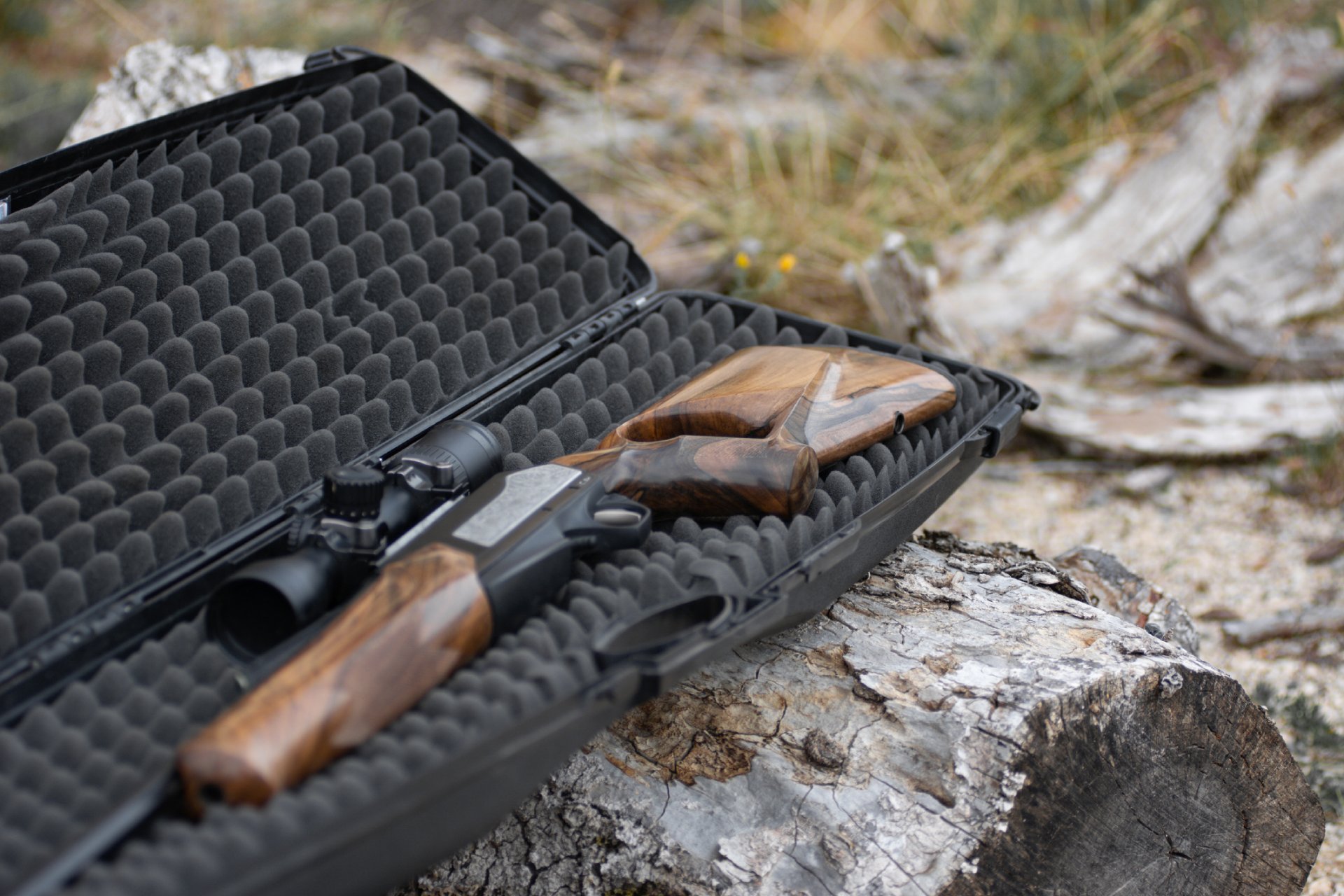
Bringing firearms abroad introduces a new layer of complexity. Countries want to know what weapon you’re carrying, why and for how long. Temporary import permits are the norm, tied directly to an itinerary and serial numbers of rifles.

South Africa provides a good example with its SAPS 520 temporary import permit. Hunters who pre-complete this form and arrive with serial numbers, licenses and outfitter invitations in hand typically clear customs quickly. Namibia offers a similarly smooth path.

By contrast, New Zealand and Australia impose strict multi-tiered requirements. New Zealand requires a visitor’s firearms license and a separate import permit, while Australia layers federal laws with individual state rules. Pre-clearance is essential, and hunters often face detailed safety checks, licensing tests and biosecurity reviews. These destinations rank among the toughest globally for firearm imports.

For hunters traveling to countries with restrictive rules, renting firearms locally is often the more practical option. Outfitters maintain quality rifles suited to local game and terrain, and this route avoids the stress of customs hurdles. Still, those who prefer their personal rifles must allow months for paperwork.


Exporting Trophies

The end of the hunt doesn’t mean the paperwork is over. Exporting trophies is one of the most complex and frustrating steps hunters face. Regulations differ not only by country but also by species, particularly when international wildlife treaties such as CITES (Convention on International Trade in Endangered Species) or the US ESA (Endangered Species Act) are applicable.

If a species is CITES-listed, hunters must obtain export permits from the country of origin and import authorization from the country of destination. For US hunters, this can mean filing Form 3-200-20 with the US Fish and Wildlife Service for Appendix I or ESA-listed species. Hunters should also expect to encounter trophy inspection points, veterinary clearances and associated fees.

The European Union has debated and, in some cases, enacted tighter trophy import rules, adding further uncertainty. Airlines may impose their own restrictions on transporting animal products, requiring advanced booking and documentation. Delays are common and hunters are advised to build extra time into their schedules for processing.

The best strategy is to work with an experienced outfitter who coordinates with certified taxidermists and shipping agents. Without expert support, even legal trophies can languish in customs warehouses.


Hunting and Wildlife Regulations

Every hunting destination comes with its own dense rulebook governing seasons, quotas and weapon restrictions. These regulations are designed to conserve wildlife populations, but they often frustrate international hunters.

Permissible weapon types, calibers and minimum energy thresholds vary by country and species. For example, some countries require minimum .375 caliber rifles for dangerous game, while others allow smaller calibers for plains game. Bowhunting and black powder weapons may be treated differently, even within the same jurisdiction.

Outfitters are usually required for foreign hunters, ensuring compliance with local rules. In some cases, government observers may even accompany hunts. Wildlife authorities publish annual circulars detailing regulations, but these can be confusing for outsiders. Aligning your license and hunting tags with the right species and unit is essential, as mismatches can void your hunt entirely.

Adding to the challenge, a species legally harvested in one country may still face export restrictions if listed under CITES or ESA. For instance, you might lawfully hunt a leopard in Africa only to face an import ban back home. Hunters must verify the legality of both local and international regulations before pursuing any species.


Proof of Documentation

Paperwork is not just a nuisance, it’s your passport to the hunt. Countries routinely deny entry to travelers with expired documents or insufficient validity. Many destinations require passports that are valid for at least six months beyond the travel dates and contain multiple blank pages for stamps and permits.

Hunters should also carry multiple copies of hunting invitations, firearm serial number lists, licenses and tags. Customs officials may request proof at various points, and having backup copies can prevent costly delays.

Regions like the Schengen Area in Europe frequently update entry requirements and electronic travel authorizations (ETAs). Hunters must verify the requirements well in advance of departure to avoid surprises at the airport.

For risk management, outfitters recommend preparing a “hunt folder” with printed and digital copies of all essential documents. Losing even a single permit in transit can jeopardize an entire hunt.


Easiest vs. Toughest Destinations

When comparing destinations, some countries clearly stand out as easier or harder for hunters.

South Africa and Namibia are nations with established hunting infrastructure, streamlined firearm imports and supportive outfitters who guide clients through the process. Australia and New Zealand both impose layered firearm and biosecurity rules, requiring extensive pre-clearance. India stands apart as hunting is largely prohibited altogether.


The Global Rescue Connection

Every hunter knows that preparation doesn’t eliminate risk. Past Global Rescue missions highlight the realities hunters face when the unexpected occurs. From altitude sickness on Mount Kilimanjaro to medical evacuations out of the Karakoram, Global Rescue has been the safety net for countless adventurers.

For hunters, the stakes are just as high. Illness in a remote camp, an injury from a misstep or complications at a border crossing can all spiral out of control. Global Rescue provides immediate medical evacuation, field rescue and expert advisory support, whether it’s securing emergency transport, interpreting local laws or coordinating hospitalization.

One member, for example, got sick during a safari in Africa and required urgent evacuation. Global Rescue’s medical operations team stepped in, coordinating stabilization, multiple surgeries and follow-up care until the member was fit to return home. This is just one of many instances where their expertise transformed a crisis into a recovery.

In addition to medical and rescue services, Global Rescue membership also provides support in locating qualified legal representation if local laws or regulations create complications. For international hunters navigating permits, firearms or trophy exports, this resource can be invaluable when circumstances demand expert guidance.

A Global Rescue membership is more than just insurance; it’s a lifeline. For hunters venturing into foreign lands with firearms, permits and trophies, having 24/7 access to expert support means the hunt remains what it should be: a once-in-a-lifetime adventure, not a logistical or legal nightmare.