Article Highlights:

  • February and March bring peak small game and waterfowl hunting in the US, including rabbits, squirrels, coyotes and Mallard ducks.
  • Argentina’s March “Roaring Season” is prime time for red stag rut hunts, plus opportunities for axis deer and water buffalo.
  • Scotland offers winter rough shooting for Canada goose, Greylag goose, wigeon, Mallard duck, woodcock and other gamebirds.
  • Turkey’s March ibex hunts test endurance and mountain skill, making it one of Asia’s most rewarding late-season hunts.
  • Trapping mink, beaver, muskrat and other fur-bearing animals is at its peak in the cold conditions of February and March.


For many hunters, February and March mark the end of winter and the start of spring, offering unique opportunities across continents. While big-game seasons wind down in some regions, others are just heating up. From chasing late-season deer in the United States to stalking red stag in Argentina or climbing mountains in Turkey for ibex, these months deliver some of the most rewarding hunts of the year.


Deer in North America

In the United States, February is prime time for small game. Rabbits, hares, squirrels, coyotes, foxes, opossums and raccoons remain active, providing variety for hunters eager to extend their season. These pursuits require patience and a keen eye, but they’re ideal for introducing new hunters to the sport or refining woodsmanship skills.

Waterfowl hunting also peaks in February, particularly in the southern states where migratory birds gather in abundance. Mallard duck, wigeon and Canada goose fill the skies, making this one of the most exciting times for waterfowlers. Wetlands, rivers and agricultural fields become hot spots for hunters setting decoys and calling flocks into range.

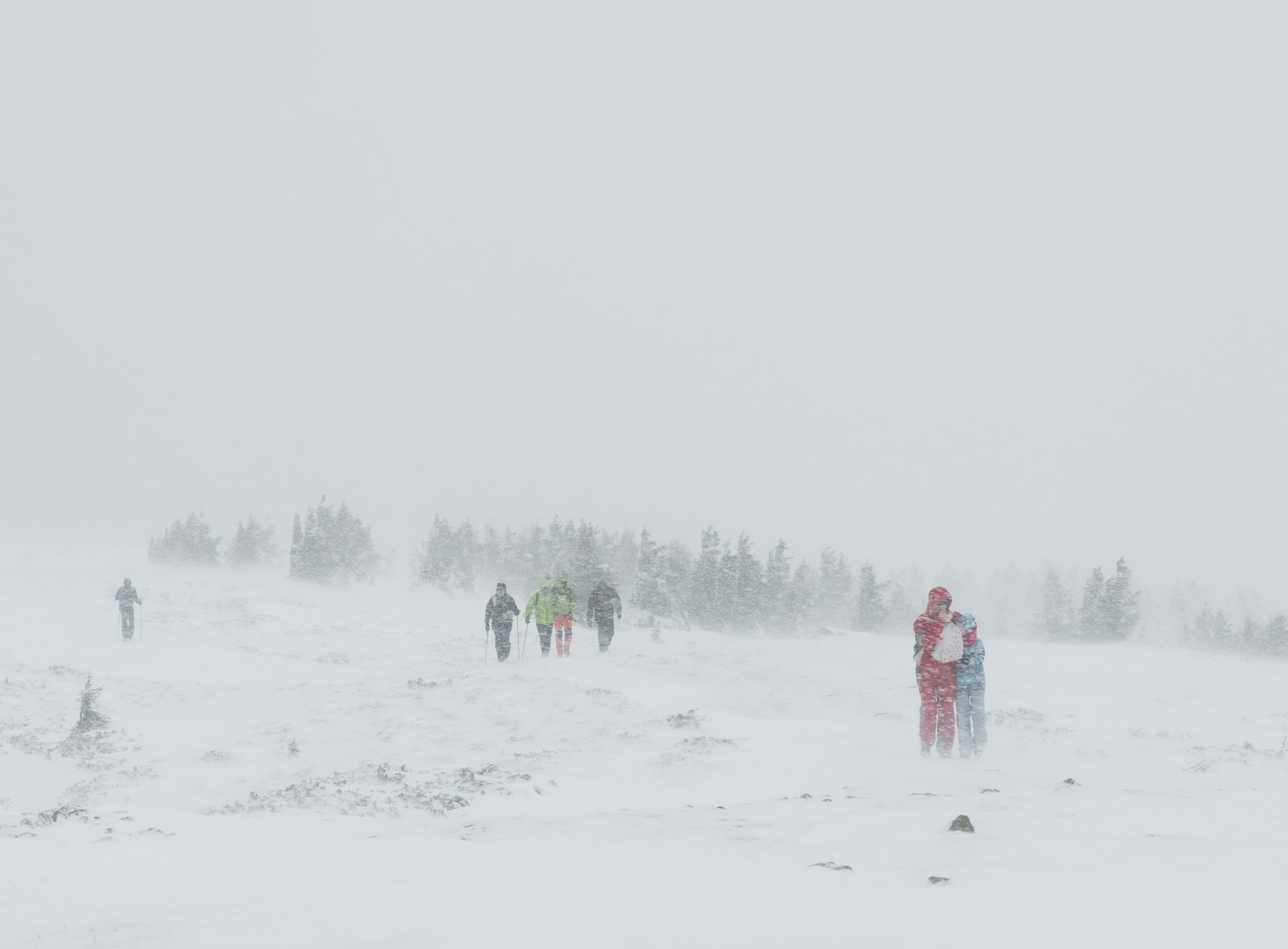
For big game hunters, February still offers late-season deer hunts in select states. Hardy sportsmen can pursue whitetails under harsh winter conditions, where success often depends on scouting food sources and enduring the cold.

Trappers in the northern states also find February and March especially productive. Mink, beaver, muskrat and other fur-bearing animals are still active and pelts are at their thickest. Cold conditions preserve fur quality, ensuring high returns for trappers who brave icy creeks and snow-covered marshes.


Water Buffalo in South America

In Argentina, March ushers in one of the most famous events in hunting: the red stag rut, known locally as the “Roaring Season.” During this time, massive stags vocalize to defend territory and attract hinds, creating thrilling encounters for hunters. Stalking these animals in the open hills and valleys tests skill and patience and the rut makes them more visible and aggressive.

Argentina also offers excellent hunting for axis deer, blackbuck and water buffalo during this period. Each species provides a unique challenge, from the stealth required to stalk axis deer to the sheer strength needed to face a water buffalo. The diversity of game makes Argentina a top destination in late summer and early fall.


Canada Geese in Europe

Scotland in February is synonymous with rough shooting, a traditional form of hunting that includes a wide range of quarry. Sportsmen can pursue Canada goose, Greylag goose, hare, Mallard duck, partridge, pheasant, pigeon, Pink-footed goose, rabbit, snipe, teal, wigeon and woodcock across the rugged countryside. This is an immersive experience that demands stamina as hunters tramp through varied terrain in search of game.

While the weather can be cold and unpredictable, the abundance of birds and small game makes Scotland a world-class winter destination. Few places offer the same mix of species combined with centuries of hunting tradition.


Bezoar Ibex in Asia

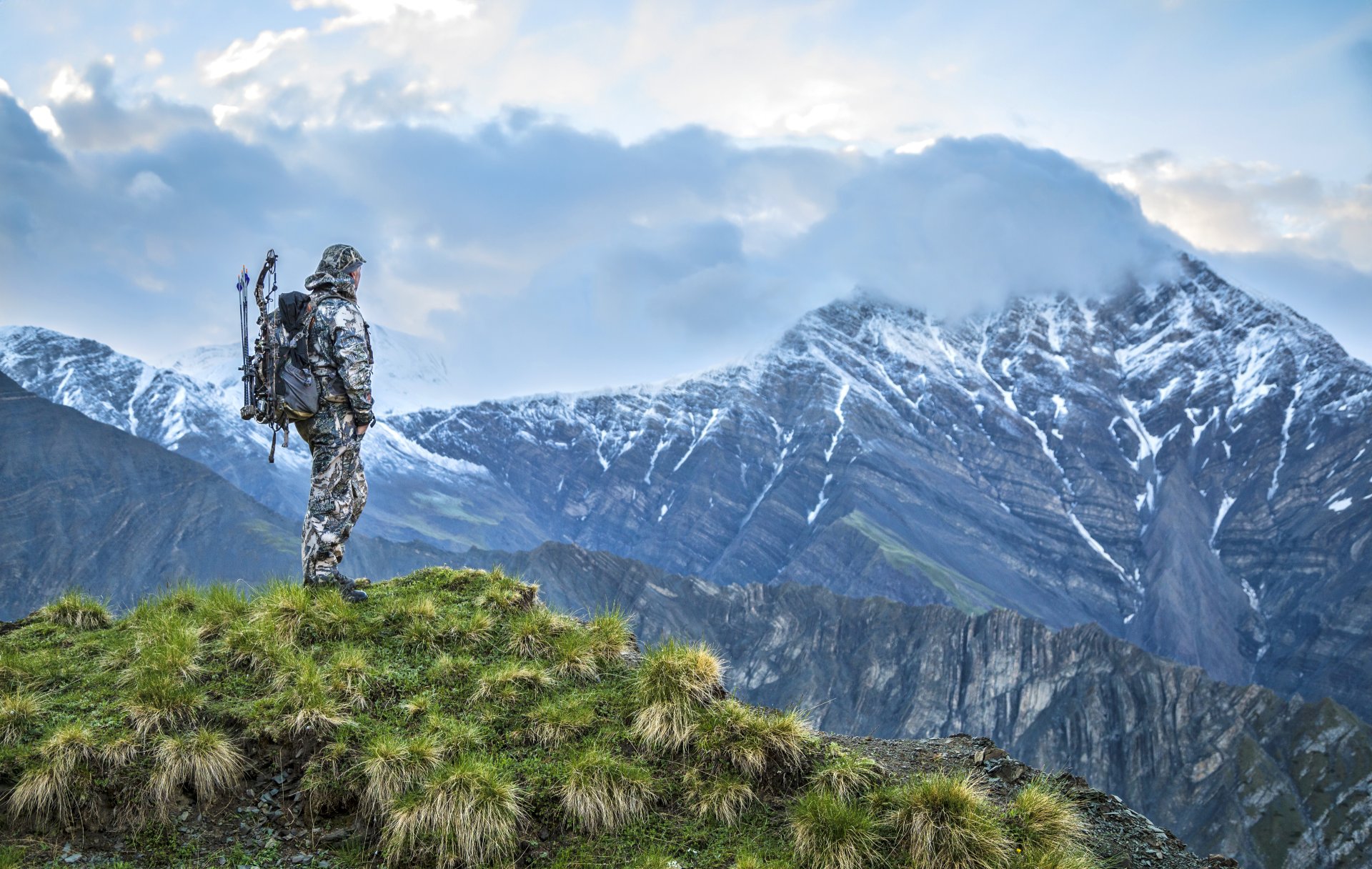
In Turkey, the season for Bezoar ibex extends through March, attracting hunters seeking one of the most challenging mountain trophies on earth. Pursuing ibex requires physical fitness, proper gear and an adventurous spirit. Hunts take place in steep, rocky terrain where endurance is tested with every climb.

The reward is the chance to harvest a magnificent animal with sweeping horns, a prize that is as much about the journey as the result. For those willing to take on the challenge, late winter in Turkey provides the opportunity of a lifetime.


The Risks of Hunting and Why Global Rescue Matters

While hunting offers incredible adventure, it is not without risk. Remote locations, unpredictable wildlife and medical emergencies can turn a hunt into a crisis.

John Abraham, a 47-year-old safari veteran, learned this firsthand in South Africa. Ambushed by a leopard, he suffered devastating injuries, including a shattered femur and severe wrist wounds. A rushed local surgery failed and infection set in. Only Global Rescue’s rapid medical evacuation to Johannesburg saved his leg and possibly his life.

Another member from Michigan fell seriously ill with a fever during a remote African safari. Multiple surgeries and intensive care followed after Global Rescue initiated an emergency evacuation. Without swift action, his outcome could have been fatal.

Retired US Army Special Forces Lieutenant Colonel Rick Steiner also relies on Global Rescue during hunts in high-risk regions like Afghanistan and Cameroon. When fever struck on one expedition, a quick call to Global Rescue provided expert-level medical guidance that could have prevented escalation.

Then there’s the harrowing case of Angie Heister in Zimbabwe, who survived a Cape buffalo attack that left her with collapsed lungs and a dislocated spine. Only a Global Rescue evacuation to Johannesburg saved her life.

These stories highlight an undeniable truth: no matter the preparation, the wilderness can present dangers beyond a hunter’s control. The difference between survival and tragedy often comes down to having the right emergency backup.


The Global Rescue Connection

February and March provide extraordinary hunting opportunities across the globe, from chasing deer and waterfowl in the United States to stalking roaring red stag in Argentina, rough shooting in Scotland, or climbing for ibex in Turkey. Yet every hunt comes with inherent risks, from wildlife encounters to sudden illness far from modern care.

That’s where Global Rescue makes the difference. Hunters who travel with a membership know that one call can deliver medical advice, emergency evacuations, or life-saving surgery access. Just as each hunt demands preparation and skill, every hunter should carry the peace of mind that comes with Global Rescue support.

For those heading into the field this late winter and early spring, the best trophy may not be the stag, goose, or ibex itself, but the confidence of knowing help is never out of reach.