Article Highlights:

  • New Hampshire approves air rifles for deer and moose hunting in 2025
  • Crossbows are now allowed in archery deer season in New York and select NH areas
  • The National Wildlife Refuge System offers hunting at 436 units under state laws
  • Global developments include Angola reopening hunting and Latin American bans
  • KUIU waders, Hawk Warrior blinds and Black Label calls headline 2025 gear


New York officials introduced expanded weapon allowances for big game hunting, while gear manufacturers are releasing innovations that promise to reshape the experience in the field. At the same time, developments across Africa, Europe and Latin America highlight the increasingly global nature of debates around hunting’s role in conservation, economics and culture.


New Hampshire Regulations: Big Changes for Big Game

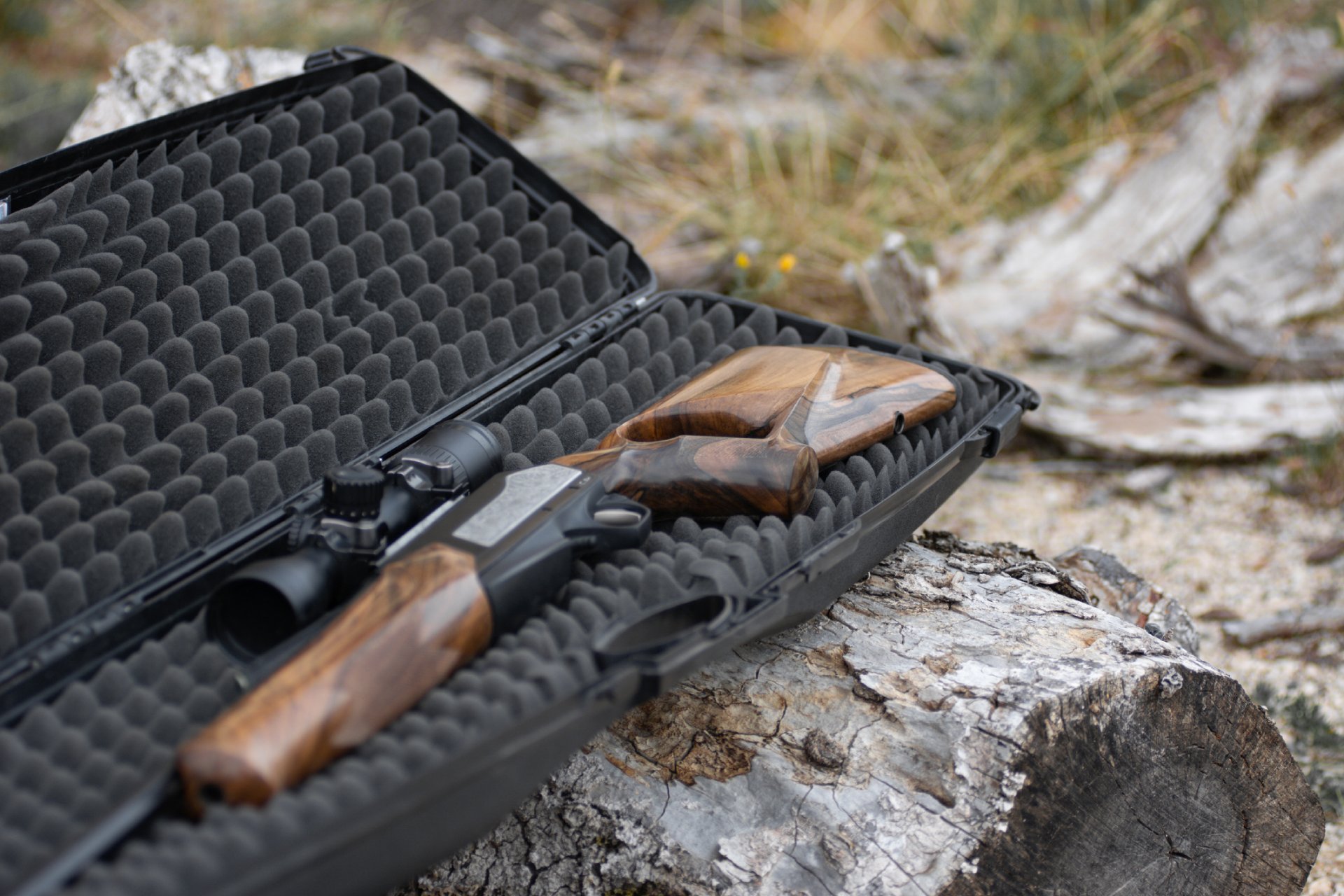
For the first time, hunters in New Hampshire can use air rifles for hunting large game species such as deer and moose. Once considered suitable only for small game, modern air rifles now deliver the power, velocity and accuracy needed for ethical harvests of larger animals.

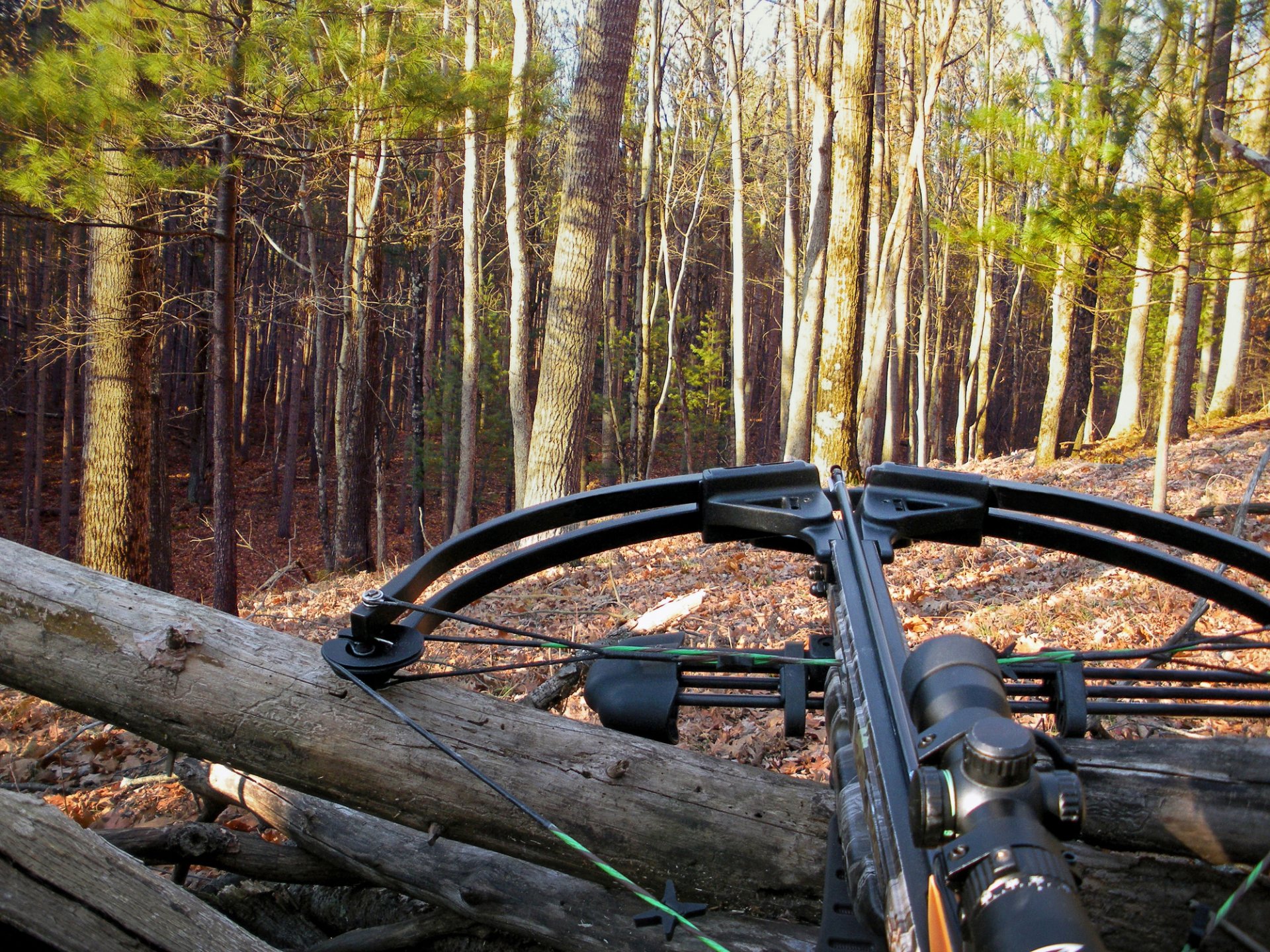
Crossbows are also making a bigger entrance into the Granite State. Certain Wildlife Management Units (WMUs) will now permit crossbow use during the archery deer season, giving hunters more flexibility. This is a welcome update for those who prefer the stability of a crossbow or face physical limitations with vertical bows.

Additional updates include a new rule requiring hunters to register their first bear before taking a second one. Furthermore, all furbearer species must now be registered online, improving wildlife management and ensuring compliance.


New York Expands Crossbow Opportunities

In New York state, hunters will also find expanded opportunities. The Empire state now allows crossbows to be used in the same seasons, locations and manner as archery hunting when hunting deer. This regulatory shift simplifies archery rules and reflects the growing popularity of crossbows nationwide.

For hunters, this means more choices in equipment and greater inclusivity in archery seasons, ensuring that compound bows, recurves and crossbows can all be used in pursuit of deer across the state.


National Wildlife Refuge System: 436 Units Open to Hunters

While state-level changes draw headlines, federal lands also play a critical role in expanding access. The National Wildlife Refuge System, managed by the US Fish and Wildlife Service, now offers hunting opportunities at 436 refuge units nationwide.

Hunting on these refuges is conducted in accordance with state regulations, ensuring consistency across jurisdictions. The system provides diverse landscapes for hunters, from waterfowl-rich wetlands to forests supporting deer and moose. By aligning hunting with conservation, the refuge system strengthens both access and stewardship.


Global Hunting Developments: Conservation, Access and Debate

Beyond the US, hunting regulations and attitudes are evolving in ways that underscore the complex relationship between wildlife management, economics and public opinion.

In several European countries, including France, surveys published in 2024 and 2025 show that public support — or at least neutrality — toward regulated hunting remains strong. These results counter past claims of widespread European opposition to hunting. Instead, they highlight recognition of its conservation role, especially in managing game populations and funding habitat protection.

In Africa, developments illustrate both challenges and opportunities. South Africa entered its fifth consecutive year in 2025 without legally established hunting quotas for species like black rhino, leopard and elephant. Government administrative failures have prevented the publication of annual quotas, threatening conservation funding traditionally supported by hunting revenue.

In contrast, Angola is taking steps to reintroduce hunting after decades of conflict decimated wildlife populations. In July 2025, conservation groups and hunting organizations announced a partnership to create a framework for regulated hunting. The initiative aims to generate much-needed revenue for both conservation and community development, blending economic incentives with ecological restoration.

In Latin America, some countries are moving in the opposite direction. Colombia recently banned recreational hunting, following Costa Rica’s earlier example. These measures are driven by environmental and ethical concerns, marking a divergence from regions where regulated hunting is embraced as a tool for conservation.


The Bigger Picture: Tradition, Technology and Global Change

The 2025 season underscores hunting’s dynamic balance between tradition and innovation. US states like New Hampshire and New York are expanding equipment allowances, federal refuges continue to increase access and gear manufacturers are pushing the limits of design. Globally, debates in Africa, Europe and Latin America show that hunting’s role is far from uniform — sometimes embraced as a conservation tool, sometimes restricted on ethical grounds.

Hunters should approach the 2025 season with both excitement and responsibility. Understanding new state rules, exploring opportunities on federal refuges and staying aware of international trends can enrich the experience. Whether hunting deer in New York, moose in New Hampshire or waterfowl on a refuge, the combination of evolving regulations and cutting-edge gear promises a memorable season.


The Global Rescue Connection

Whether you’re hunting moose in New Hampshire with a newly approved air rifle, stalking deer with a crossbow in New York or exploring one of the 436 units in the National Wildlife Refuge System, today’s hunters are venturing farther, longer and often deeper into remote terrain. Regulations and gear updates make hunting more accessible and effective, but they don’t erase the risks that come with unpredictable wilderness environments.

Global Rescue case reports reveal how quickly a hunting trip can shift from recreation to survival.

  • In Botswana, a US hunter was bitten in the calf by a leopard. A pre-existing blood-clotting disorder turned the injury into a life-threatening emergency. Global Rescue coordinated an air ambulance to Johannesburg, where advanced treatment saved the hunter’s life.
  • Another case involved a US hunter on safari who developed a high fever that escalated into severe illness. After expedition members contacted Global Rescue, the organization arranged for evacuation and intensive medical treatment, including multiple surgeries and aggressive antibiotic therapy. Only after weeks of care was he cleared to return home to Michigan for continued recovery.
  • The most dramatic story may be that of John Abraham, a 47-year-old safari veteran. While hunting in South Africa, Abraham was ambushed by a leopard that shattered his femur and mauled his wrist. Although local doctors attempted surgery, infection soon set in. His family called Global Rescue, which arranged an emergency air evacuation to Johannesburg. There, surgeons corrected the initial treatment and ultimately saved his leg. Reflecting on the experience, Abraham wrote: “One phone call was all it took. They simply took over. A fully equipped medical plane was there for me, the paramedics were excellent, explaining everything to my wife and son while caring for me.”

These examples underscore the hard truth: from leopard encounters in Africa to accidents closer to home in the backwoods of New Hampshire or New York, hunting carries risks that cannot be fully predicted or prevented. Modern regulations and cutting-edge gear make the sport safer, but when the unexpected happens, preparation is everything.

A Global Rescue membership bridges that gap. With 24/7 access to medical advisory, emergency evacuations and field rescue capabilities, hunters can pursue their passion, whether in US forests, on federal refuges or on safari abroad, knowing expert help is always within reach. In the same way that new laws and innovations improve hunting every season, Global Rescue ensures every hunter has the ultimate safety net, no matter how far from home the trail leads.