Article Highlights:

  • Stay Inside: Avoid unnecessary travel during a blizzard.
  • Stay Charged: Keep devices and backup power sources ready.
  • Dress in Layers: Wear weather-appropriate clothing and footwear.
  • Pack a Car Emergency Kit: Include warm clothing, a shovel and blankets.
  • Recognize Danger Signs: Learn the symptoms of frostbite and hypothermia.


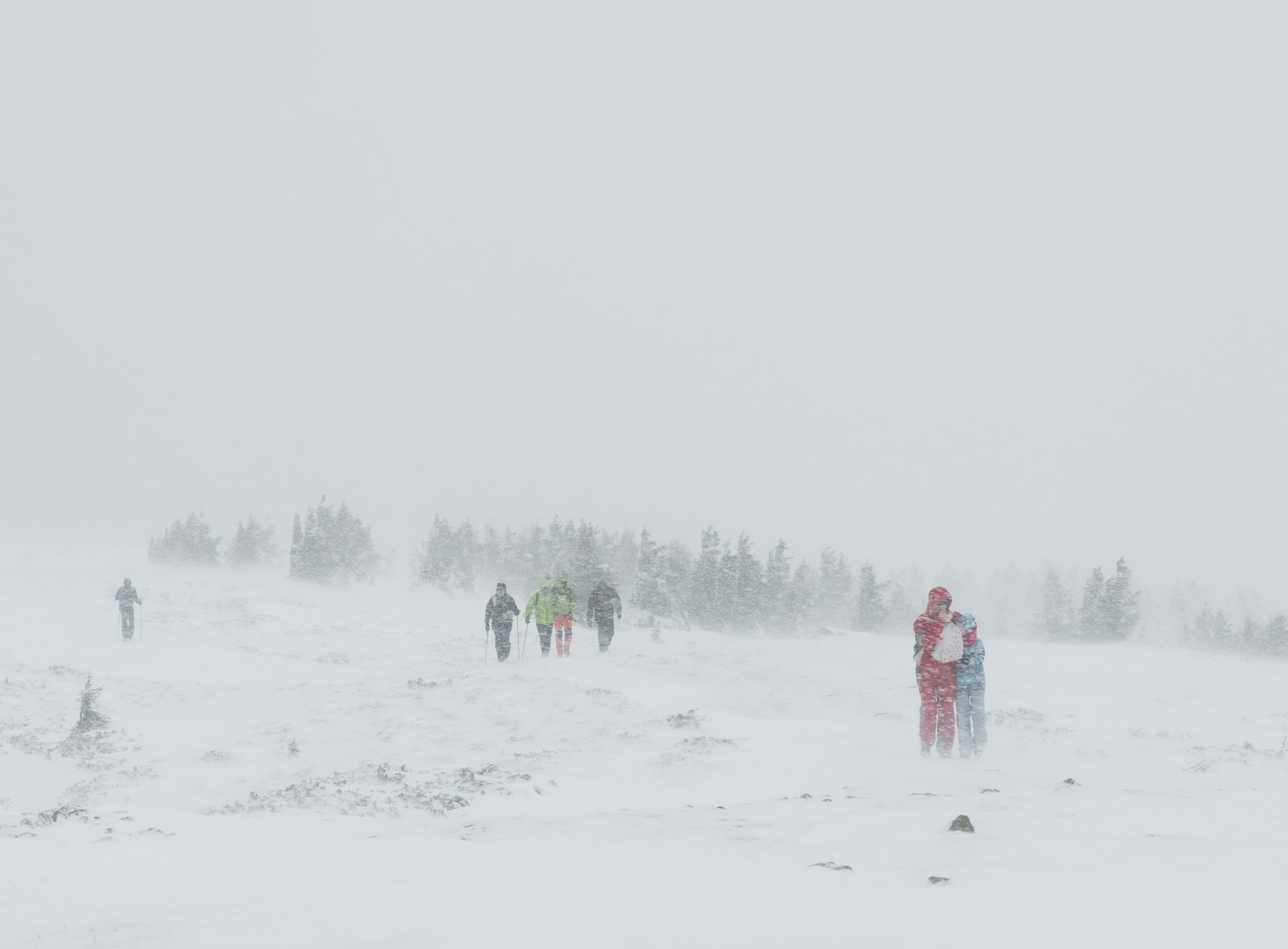
When a powerful blizzard hits, your best defense is preparation, calm thinking and practical know-how. Heavy snow, high winds and freezing temperatures can turn a routine day into a life-threatening situation in minutes — especially if you’re traveling or outdoors when conditions deteriorate.

Whether you’re safe at home, stranded in your vehicle or caught in the backcountry, the right actions can save your life. Here’s how to weather any snowstorm safely, with insights from former Navy SEAL and extreme weather expert Harding Bush, now associate director of security operations at Global Rescue. With years of cold-weather and mountain operations experience, Bush emphasizes preparation and situational awareness as the foundation for survival.


Technology and Communication in a Blizzard

Blizzards and extreme cold can significantly affect how well your smartphone and satellite phone perform. While satellite phones are built for durability and generally work in harsh snowstorms, heavy snowfall, high winds or cloud cover can weaken their connection. They also require a clear view of the sky to operate effectively, which can be challenging during whiteout conditions.

Smartphones are even more vulnerable. Freezing temperatures quickly drain batteries, sometimes shutting devices down completely. Power outages and damaged cell towers can also disrupt traditional mobile service, leaving you without connectivity. To improve performance, keep your phone warm and insulated, turn it off when not in use and rely on its emergency satellite messaging features if your device supports them.


Survival Starts Before the Snow Falls

Before a storm even begins, check weather forecasts and prepare your home and vehicle. Stock food and water for several days, flashlights, extra batteries, medications and a first aid kit. Insulate pipes to prevent freezing and ensure you have multiple heat sources — such as a wood stove or portable propane heater — in case of power failure.

Bush advises: “Don’t wait until you’re snowed in. Preparation is your survival multiplier. A few minutes spent planning can save your life later.”

If you must travel during winter weather, inform someone of your route and expected arrival time. Ensure your gas tank is full and always carry emergency supplies in your vehicle.


Top 5 Blizzard Safety Tips

  1. Stay Inside: Avoid venturing out during a blizzard unless absolutely necessary. Whiteout conditions can cause disorientation within seconds and even short walks can turn perilous. Monitor emergency broadcasts on NOAA Weather Radio for updates and local advisories. Staying informed is your first line of defense.
  2. Stay Charged: Power outages are common during heavy snowstorms. Keep your devices fully charged before the storm hits and maintain portable power banks for backup. Extra batteries for radios, flashlights and other essentials can make the difference between safety and danger when communication lines go down.
  3. Dress Appropriately: If you must go outside — for example, to clear snow from a vent or help someone in distress — layer up. Start with moisture-wicking base layers, add insulating mid-layers and finish with a waterproof and windproof shell. Don’t forget insulated boots, gloves, a hat and a scarf to protect extremities and exposed skin. Wet clothing accelerates heat loss, so change promptly if you get damp.
  4. Pack Your Car: Getting stranded in a snowstorm is more common than most people realize. Keep a winter car kit with you at all times. Include: heavy blankets or a sleeping bag; a shovel, ice scraper and tow strap; jumper cables and a flashlight, non-perishable food and bottled water; reflective vest, matches and hand warmers. If stuck, stay in your car. It’s your best shelter — and much easier for rescuers to spot than a person on foot.
  5. Know the Signs: Recognize the early warning signs of frostbite and hypothermia. Numbness, pale or waxy skin and a tingling sensation mean frostbite may be developing. Shivering, confusion and slurred speech are red flags for hypothermia. Immediate action — such as warming the affected area and seeking shelter — can prevent serious injury or death.

According to Bush, “Leaving your shelter is the single most dangerous decision people make during a blizzard.”


Backcountry Blizzard Rescue

For adventurers, a blizzard in the wilderness poses a new level of risk. A Global Rescue member hiking alone in California activated his SOS device when a sudden snowstorm hit, cutting off visibility and mobility. His satellite communication device allowed direct contact with Global Rescue operations, who provided life-saving guidance — remain in place, insulate from the ground and build a fire.

Hours later, search and rescue teams reached him. He was cold and exhausted, but alive — thanks to preparedness, communication and following expert advice.


Top Backcountry Blizzard Survival Tips

  • Stay Calm and Assess – Panic clouds judgment. Stop, assess and plan logically.
  • Stay Hydrated – Cold weather dehydrates quickly. Avoid alcohol or caffeine.
  • Protect Your Lungs – Cover your face with a scarf or buff to warm the air you breathe.
  • Keep Circulation Moving – Wiggle fingers and toes to keep blood flowing.
  • Build a Shelter – Even a basic snow cave or lean-to can block wind and retain heat.
  • Insulate from the Ground – Sit on your pack or pad to avoid losing body heat to snow.
  • Melt Snow Before Drinking – Eating snow lowers core temperature. Melt it first.
  • Signal for Help – Use mirrors, whistles or bright clothing to help rescuers locate you.


On the Road: Smart Moves and Critical Mistakes

If caught driving in a blizzard, survival depends on smart decision-making.

Do:

  • Stay in your vehicle; it’s your safest shelter.
  • Run the engine 10 minutes per hour for warmth, ensuring the exhaust pipe is clear.
  • Keep a window cracked to prevent carbon monoxide buildup.
  • Use hazard lights or reflective markers to signal distress.

Don’t:

  • Leave the vehicle to walk for help — whiteouts can cause disorientation within yards.
  • Drive too fast; even 4WD vehicles slide on ice.
  • Slam on brakes during a skid — steer gently in the direction you want to go.


The Global Rescue Connection

In both vehicles and backcountry scenarios, whiteouts erase landmarks and orientation. Many victims succumb to hypothermia just a few hundred feet from safety. Always stay put, conserve heat and make yourself visible to rescuers.

Preparation is the ultimate life-saving skill. As Harding Bush and FEMA both emphasize, proactive planning and knowledge can dramatically improve your odds of survival during extreme winter conditions.

When you’re traveling — whether in your own country or abroad — being ready for the unexpected is essential. A Global Rescue membership provides access to emergency field rescue, medical evacuation, 24/7 advisory support and destination intelligence so you’re never alone, even in the harshest environments.

If a life-threatening emergency occurs, contact local emergency services immediately. Once safe and stable, reach Global Rescue directly by phone at +1 (617) 459-4200 or email ops@globalrescue.com. If you’re using a satellite device, ensure you understand its SOS procedures and that your alerts are routed correctly to the right provider.

Blizzards and snowstorms can strike without warning — but with the right mindset, equipment and preparation, you can endure even the fiercest winter conditions safely and confidently.