Article Highlights:

  • Floods are the most frequent and destructive natural disaster affecting travelers, with 90% of U.S. disasters and 40% of Asian disasters involving flooding, underscoring the urgent need for awareness and preparedness.
  • Despite rising risks and recent catastrophic floods across India, Pakistan and the U.S., most travelers remain unconcerned, highlighting a gap between perception and reality as extreme weather increasingly disrupts global travel.
  • Global Rescue provides critical, real-time emergency support and evacuations during floods and other natural disasters, offering immediate assistance that traditional insurance cannot, ensuring travelers’ safety worldwide.


Of all natural disasters that impact travelers, floods are the most frequent and often the most devastating. In the US, officials report that 90% of natural disasters involve flooding, while in Asia, floods make up nearly 40% of all disasters. These staggering numbers reveal the scale of the danger and the importance of flood awareness for international travelers.

Vacations and international trips once promised culture, cuisine and carefree adventure. Today, they often come with caveats as global threats from hurricanes and typhoons to floods reshape how travelers think about safety. Comfort levels now hinge on risk awareness and response capabilities.

The Spring 2025 Global Rescue Traveler Sentiment and Safety Survey found that more than half of travelers are not significantly concerned about natural disasters disrupting their plans, despite forecasts of up to five major hurricanes in the 2025 Atlantic season and rising reports of weather-related interruptions.

“Travelers are proceeding with their plans despite the risks of natural disasters. This is a testament to the resilience of the travel industry,” said Dan Richards, CEO of The Global Rescue Companies. He noted that even among travelers who express little concern, many have already experienced the real-world consequences of wildfires, floods or hurricanes, rerouting or delaying their trips.

Nearly 40% of survey respondents reported having experienced a travel disruption due to extreme weather. Still, 52% said they were only “a little” or “not at all” concerned about future interruptions. “Risk is now a permanent part of the travel landscape,” he said. “The solution is not to stop traveling, it’s to travel smarter. That means understanding local environmental conditions, monitoring government advisories and having emergency support systems in place.”

The year 2025 underscored this reality with a series of catastrophic floods that struck across continents. India, Pakistan and the US all faced deadly flooding events that displaced communities, stranded visitors and caused billions of dollars in damage. When combined with the destructive power of hurricanes and typhoons, which bring storm surges and torrential rainfall, floods have become the most pressing natural disaster risk in modern travel.


2025’s Most Noteworthy Floods

India’s summer monsoon season in 2025 proved especially deadly. In northern states like Himachal Pradesh and Uttarakhand, relentless rain triggered flash floods that wiped out roads, bridges and entire villages. Popular tourist towns such as Manali were cut off for days, leaving both locals and travelers scrambling for higher ground. Trekkers in the Himalayas found themselves stranded with no way to access medical care or transportation, highlighting the vulnerabilities travelers face when floods strike remote regions.

Pakistan endured a similar fate when heavy rainfall devastated Sindh and Punjab. Karachi, one of the country’s busiest international hubs, saw entire neighborhoods submerged. The city’s overwhelmed drainage systems failed, airports were disrupted and hotels in low-lying areas were forced to evacuate. For visitors, simply finding safe shelter became a daunting challenge.

In the US, severe storms led to record flooding along the Mississippi and Missouri Rivers. Midwestern cities such as St. Louis and Davenport bore the brunt of the disaster, while flash floods swept through Nevada and Arizona, surprising tourists in desert camps and hiking trails. These events served as a reminder that flooding is not limited to coastlines or monsoon belts, but can appear suddenly in unexpected places.


Why Floods and Storm Surges Are So Dangerous for Travelers

Floodwaters present multiple dangers that travelers often underestimate. Just six inches of fast-moving water can knock down an adult, while 12 inches can sweep away a car. Beyond this immediate physical danger, floodwaters often carry contamination that spreads diseases like cholera, dysentery and other infections. For tourists unfamiliar with local terrain and infrastructure, the risks multiply when roads collapse, airports close and bridges are washed away.

Medical emergencies are another major concern. Injuries from debris, broken bones and untreated wounds can quickly worsen when hospitals are inaccessible. In some regions, floods also create security risks, sparking looting or unrest that places travelers in additional jeopardy.


Hurricanes, Typhoons and Their Flooding Impacts

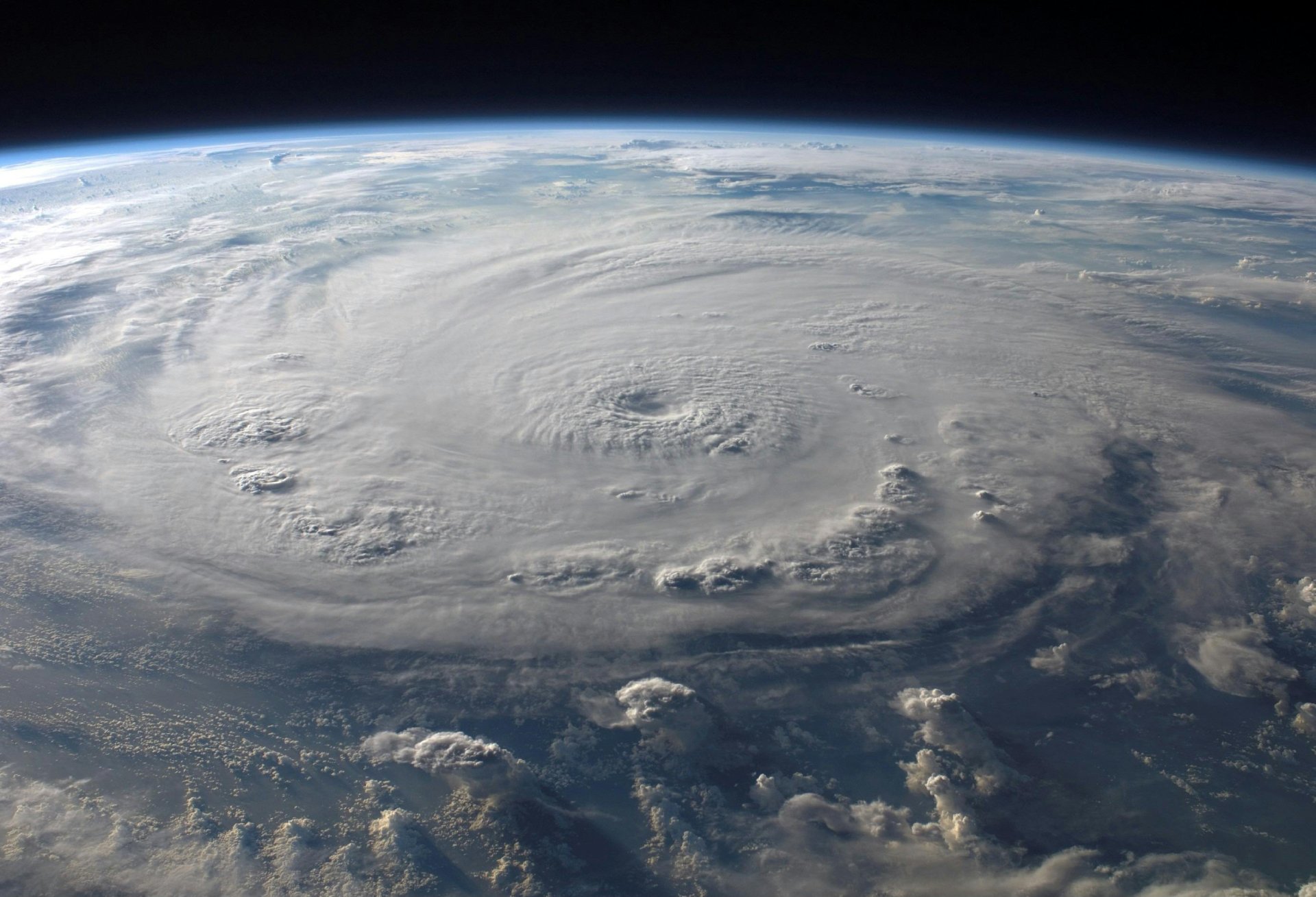
Hurricanes in the Atlantic and typhoons in the Pacific are powerful storms that bring winds in excess of 74 mph. Yet it’s often not the winds but the storm surges that prove most dangerous. Entire coastal cities can be submerged within hours, forcing mass evacuations and stranding visitors.

“Weather tracking technology allows people to track hurricanes well before landfall, giving them time to prepare their homes and evacuate,” said Richards.  “Nevertheless, every year, there are some who stay put, facing the storm head-on, either because they are unwilling or unable to do otherwise.”

In 2025, hurricanes along the Gulf of Mexico and typhoons across Southeast Asia unleashed widespread destruction. In both cases, flooding was the primary cause of damage. Airports shut down, local infrastructure failed and international travelers were left isolated with limited options for evacuation. These events highlighted how hurricanes and typhoons, though predictable in their seasonality, still leave tourists vulnerable to sudden floods and logistical chaos.


Travel Preparedness in Flood-Prone Regions

For travelers visiting destinations where floods, hurricanes, or typhoons are common, preparation is crucial. Researching the flood or storm season at your destination should be the first step in planning any trip. Many countries publish advisories during monsoon or hurricane seasons, and travelers who stay informed can make safer choices.

Protecting essential documents is also vital. Passports, visas and identification should be stored in waterproof containers or sealed plastic bags to ensure they remain usable even if luggage is soaked. Packing a lightweight “go bag” with bottled water, portable chargers, a basic first aid kit and local maps can also be lifesaving if evacuation becomes necessary.

Knowing evacuation routes is equally important. Identifying higher ground and nearby emergency shelters before a disaster ensures that travelers are not left guessing when the situation turns critical. Finally, staying connected to local news and weather advisories, either through mobile apps or radios, can provide crucial warnings before floodwaters or storm surges arrive.


How Global Rescue Protects Travelers During Floods and Natural Disasters

While preparation is essential, floods and storm-related disasters often overwhelm even the most carefully laid plans. Traditional travel insurance typically offers reimbursement after the fact, but delays, claim forms and limited coverage provide little help in the middle of an emergency. Global Rescue, on the other hand, provides immediate action.

When a flood or hurricane makes a location unsafe, Global Rescue’s security operations teams can extract members and bring them to safety or arrange flights home. For travelers injured or stranded in remote, flooded areas, Global Rescue’s field rescue teams, comprising veteran military special forces and paramedics, can reach disaster zones where local emergency responders cannot.

One recent example demonstrates the impact of these services. A Global Rescue member using an SOS satellite device reported being trapped on the rooftop of their vehicle after it had been washed off the road and left half-submerged in floodwaters. Global Rescue immediately alerted the Australian Maritime Safety Authority (AMSA), which coordinated with police to reach the scene. Shortly afterward, confirmation arrived that the individual had been rescued and transported to safety. Without rapid coordination and intervention, the outcome could have been far worse.

When hospitals are inaccessible, Global Rescue members can consult with doctors, nurses and paramedics through telehealth services, receiving urgent medical advice wherever they are. Real-time intelligence and advisory services give members the ability to monitor flood levels, locate emergency shelters and receive instructions on evacuation routes.

Unlike insurance policies that require paperwork and reimbursements, Global Rescue membership eliminates claim forms altogether. The cost of extraction, evacuation and rescue is fully covered, giving travelers confidence that help will be immediate and direct.


The Global Rescue Connection

The floods of 2025 have shown the growing fragility of infrastructure in the face of natural disasters. Whether in the Himalayas of India, the cities of Pakistan or the river valleys of the US, travelers can no longer assume that modern systems will hold up against extreme weather. Hurricanes and typhoons only compound this risk by bringing the kind of torrential rains that fuel catastrophic floods.

Travelers must take personal responsibility for their safety by protecting documents, carrying emergency supplies and staying informed about regional weather. Yet even with these precautions, floods and other natural disasters can leave visitors stranded, injured or cut off from help.

A Global Rescue membership bridges that gap, offering worldwide protection, 24/7 expert support and guaranteed evacuation without claims or hidden fees. For anyone traveling internationally — whether trekking in flood-prone mountains, vacationing along hurricane coasts or working in typhoon-prone cities — Global Rescue provides a safety net no traveler should be without.